
Glass Front Entry Door Price Analysis: Key Cost Factors to Consider
Glass front entry doors have become a defining feature in modern architecture, combining visual appeal with functional performance. For developers, contractors, and distributors evaluating options from front entry door manufacturers, understanding the pricing structure is essential to making cost-effective decisions. The price of the best front entry doors is influenced by multiple variables, ranging from materials to manufacturing processes and long-term performance benefits.
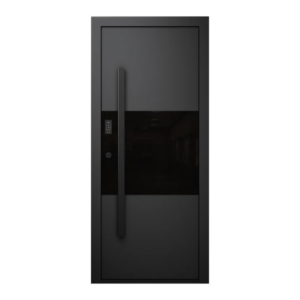
Material Composition and Structural Performance
One of the most significant cost drivers for glass front entry doors is the material used in their construction. High-quality front entry door manufacturers often rely on advanced aluminum alloys or reinforced composites to ensure durability and strength. For instance, doors made from 6063-T5 silicon–titanium–magnesium aluminum alloy offer exceptional compressive strength, corrosion resistance, and toughness, which naturally increases their value.
In addition to the frame material, internal filling plays a crucial role. High-density insulation materials, such as graphite panels, enhance thermal insulation, fire resistance, and soundproofing. These features are commonly found in the best front entry doors, as they improve energy efficiency and occupant comfort. While such materials may raise the upfront cost, they significantly reduce long-term maintenance and energy expenses, making them a smart investment for commercial and residential projects alike.
Manufacturing Technology and Finishing Processes
Another key factor affecting pricing is the level of manufacturing precision and finishing quality. Leading front entry door manufacturers utilize advanced production techniques to ensure consistency and structural integrity. Precision engineering not only enhances the door’s fit and function but also minimizes installation challenges.
Surface treatment is equally important. Premium finishes, such as fluorocarbon coatings, provide long-lasting resistance to fading, discoloration, and environmental wear. This type of coating is often applied to the best front entry doors to maintain their appearance over time, especially in regions with harsh weather conditions. Although these finishing processes add to the initial cost, they extend the product lifecycle and reduce replacement frequency, offering better value over time.
Design Features and Customization Options
Customization is another major contributor to the final price of glass front entry doors. Businesses sourcing from front entry door manufacturers often require tailored dimensions, glass configurations, and design aesthetics to match specific architectural styles. Features such as double-glazed or laminated glass, decorative panels, and enhanced security systems can significantly impact pricing.
The best front entry doors typically incorporate a balance of style and functionality. Larger glass panels, for example, increase natural light but also require higher-grade materials and precise engineering to maintain safety and insulation standards. As a result, customized solutions tend to be more expensive but deliver superior performance and design flexibility.
Making a Strategic Investment for Long-Term Value
Choosing among front entry door manufacturers requires a comprehensive evaluation of both upfront costs and long-term benefits. The best front entry doors are not simply defined by their price but by their durability, energy efficiency, and overall performance.
At Zekin, we focus on delivering entry door solutions that combine advanced materials, precision engineering, and high-performance design. Our entry doors are crafted using 6063-T5 aluminum alloy, reinforced with high-density Polyurethane (PU) insulation, and finished with durable fluorocarbon coatings to ensure lasting quality. By aligning cost with value, we help our partners invest in solutions that enhance both building performance and customer satisfaction.