Aluminum vs. Wood Windows: Which Is Actually Better for Your Home?
Choosing between aluminum and wood windows is not simply a matter of appearance. The right frame depends on your climate, energy-performance targets, maintenance expectations, window size, architectural style, and project budget. For homeowners, builders, developers, and property buyers, comparing measurable performance is more useful than assuming one material is universally superior.
Both materials can work well when properly specified. The key is understanding where each material creates practical advantages and where the complete window system matters more than the frame alone.
What Is the Difference Between Aluminum and Wood Windows?
Aluminum windows are valued for durability, slim profiles, and design flexibility, while wood windows naturally provide strong thermal insulation and a traditional appearance. The choice therefore depends on which performance characteristics matter most for the building.
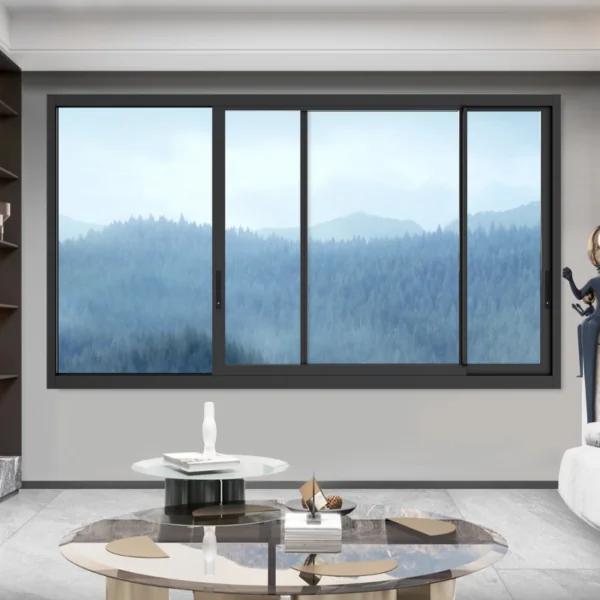
| Factor | Aluminum Windows | Wood Windows |
| Frame thermal conductivity | Higher than wood unless thermal breaks are used | Generally lower than aluminum |
| Maintenance | Generally low | Requires more ongoing care |
| Appearance | Modern and adaptable | Traditional and natural |
| Large openings | Well suited to many modern designs | Depends on system and structural design |
| Moisture exposure | Requires appropriate finish and system design | Requires careful protection and maintenance |
The important qualification is that not all aluminum windows perform the same way. The U.S. Department of Energy (DOE) explains that metal frames conduct heat readily, but thermal breaks can reduce conductive heat flow. DOE also identifies glazing, low-emissivity coatings, and gas-filled insulating glass as important factors in reducing heat transfer.
Wood has a natural insulation advantage, but that does not automatically make every wood window more energy efficient than every aluminum window. The complete window assembly, including frame, glass, seals, and installation, determines actual performance.
Which Frame Material Provides Better Thermal Performance?
Wood generally offers greater inherent thermal resistance, but a properly designed aluminum window with a thermal break and appropriate glazing can provide strong thermal performance. Buyers should compare rated window performance rather than choosing solely from the frame material.
DOE specifically recommends evaluating U-factor and Solar Heat Gain Coefficient (SHGC) according to the installation climate. U-factor measures thermal transmittance, while SHGC indicates how much solar heat enters through the fenestration.
For example, a window with a low U-factor can reduce heat transfer, while the appropriate SHGC depends partly on climate and orientation. In warmer conditions, controlling unwanted solar heat can be particularly important; in colder conditions, solar gain may sometimes be useful.
The frame is only one part of this equation. Glass configuration can materially change the performance of the finished window. DOE identifies multiple panes, low-e coatings, gas fills, and thermal breaks as measures that can improve thermal performance.
National Fenestration Rating Council (NFRC) ratings provide a practical way to compare products. NFRC identifies U-factor, SHGC, visible transmittance, condensation resistance, and air leakage among its window-performance metrics.
What Should Buyers Compare Before Choosing a Frame?
- U-factor: Compare the rated thermal performance of complete window units.
- SHGC: Consider climate, orientation, shading, and cooling requirements.
- Glazing: Check whether the window uses double or triple glazing and low-e technology where appropriate.
- Thermal break: For aluminum systems, confirm whether the frame incorporates a thermal-break design.
- Installation: Specify the installation method as part of the overall building-envelope strategy.
Are Aluminum or Wood Windows Easier to Maintain?
Aluminum windows generally require less routine maintenance than wood windows because the frame does not require the same type of periodic coating and protection associated with exposed wood. This difference can matter significantly for rental properties, hotels, commercial buildings, and large residential developments.
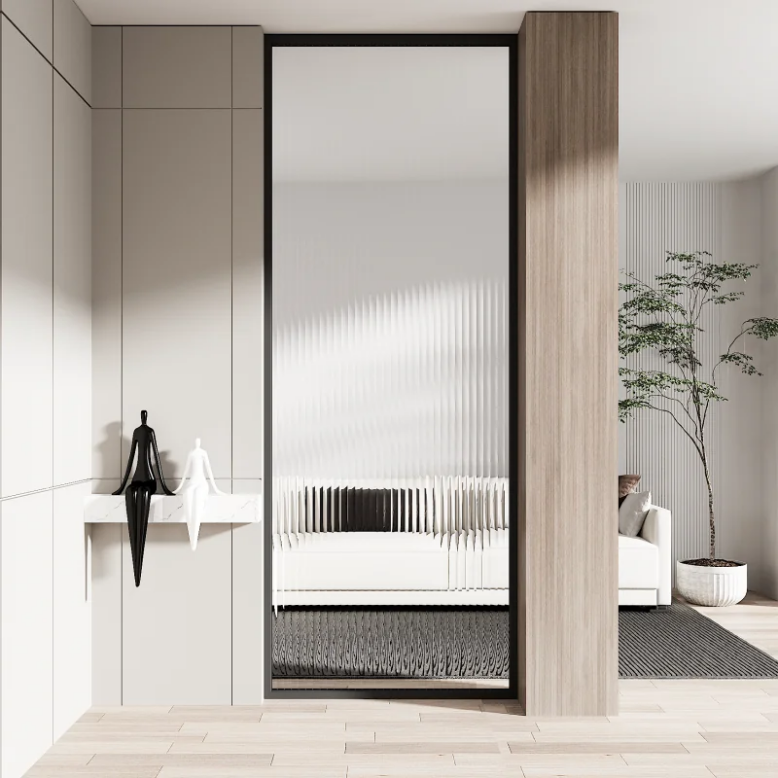
Wood can provide a warm architectural appearance, but exposed wood requires protection from moisture and weathering. Maintenance requirements depend on the wood species, finish, exposure, installation, and local climate.
Aluminum shifts more attention toward surface finish, seals, drainage, hardware, and installation quality. An appropriately specified aluminum system can have lower routine frame-maintenance requirements, but buyers should still confirm the coating and system requirements for the intended environment.
For developers and contractors, maintenance should be considered over the expected service period rather than only at the purchasing stage. A slightly different initial specification can affect future labour requirements, especially across a large number of units.
Which Windows Work Better for Different Home and Building Projects?
Wood windows can suit projects prioritising natural aesthetics and traditional architecture, while aluminum windows can be particularly practical for contemporary buildings, large glazed areas, and projects requiring a broad range of configurations.
The appropriate material changes with the application.
- Traditional homes: Wood can complement architectural designs where a natural frame is an important visual element.
- Modern homes: Aluminum supports clean profiles and contemporary window configurations.
- Hotels: Consistent performance and standardized specifications can be important when many units must be serviced across the same property.
- Residential developments: Standardized aluminum systems can simplify procurement across multiple units.
- Commercial projects: The required performance ratings, opening sizes, local codes, and project specifications should drive material selection.
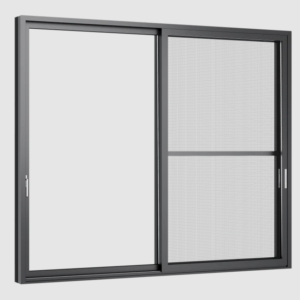
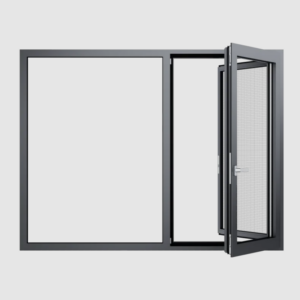
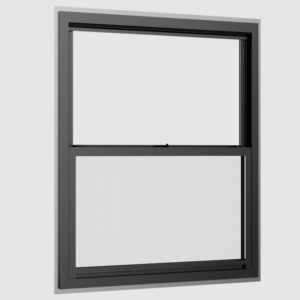
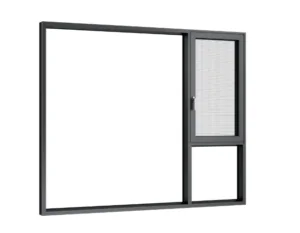
ZEKIN’s aluminum-window range includes casement, sliding, skylight, tilt-and-turn, awning, single/double-hung, fixed, and folding windows. Its product category therefore covers multiple operating configurations rather than a single standard window type.
For projects involving large openings, the decision should also consider the structural requirements of the complete system. A visually attractive specification still needs appropriate glass, hardware, seals, drainage, and installation details.
How Can ZEKIN Support Aluminum Window Projects?
ZEKIN supplies multiple aluminum-window configurations for residential and commercial projects. The range covers thermal-break systems, aluminum profiles, customization, and in-house production processes.
The production process covers aluminum extrusion, surface coating, glass tempering, and precision assembly. Product specifications include 6063-T5 aluminum profiles, powder coatings, and double thermal-break technology.
For buyers comparing the best aluminum window manufacturers, the more useful question is not simply which supplier uses aluminum. It is whether the manufacturer can provide the required configuration, documentation, performance information, and project coordination.
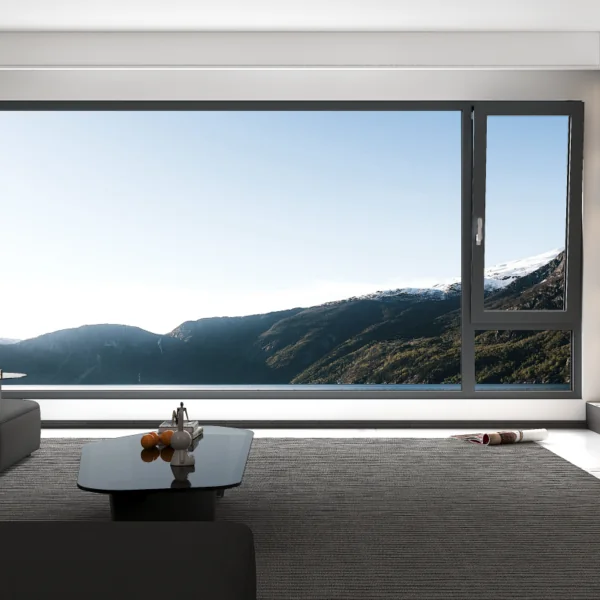
ZEKIN presents options including windows with aluminum frames for residential and commercial applications. We also offer wholesale solutions and lists CE, AS2047, CSA, and NFRC-related certification claims. Buyers should request the relevant documentation for the exact product and project rather than assuming that every listed window carries every certification.
For international projects, that verification step is particularly important. The applicable standards depend on the project location, building type, product configuration, and specification.
Conclusion: Which Window Material Should You Choose?
Neither aluminum nor wood is universally better; the right choice depends on the project’s priorities and the performance of the complete window system. Wood offers natural thermal resistance and a distinctive appearance, while aluminum can provide low-maintenance frames, varied configurations, and design flexibility.
For any project, start by defining the climate, window orientation, opening size, maintenance expectations, and required performance ratings. Then compare U-factor, SHGC, glazing, thermal-break design, air leakage, and other relevant specifications.
If aluminum is the preferred material, ZEKIN’s range provides several window configurations for residential and commercial applications. A sound purchasing decision starts with matching the exact window specification to the building requirements rather than selecting a material based on appearance alone.