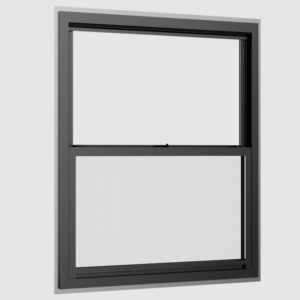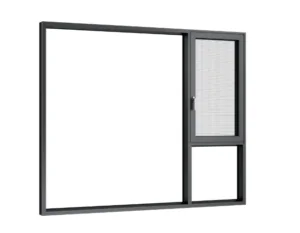
Why Thermal Break Aluminum Windows Matter
Window systems influence more than the appearance of a building. They affect indoor comfort, energy management, noise control, and long-term maintenance needs. In modern construction projects, aluminium windows are widely selected because of their strength, durability, and design flexibility. However, traditional aluminium frames may create thermal bridging because aluminium conducts heat easily.
Thermal break technology addresses this challenge by adding an insulating barrier between the interior and exterior sections of the frame. When we develop window solutions for residential and commercial projects, we focus on how the frame structure, glass selection, and sealing system work together to support practical building performance.
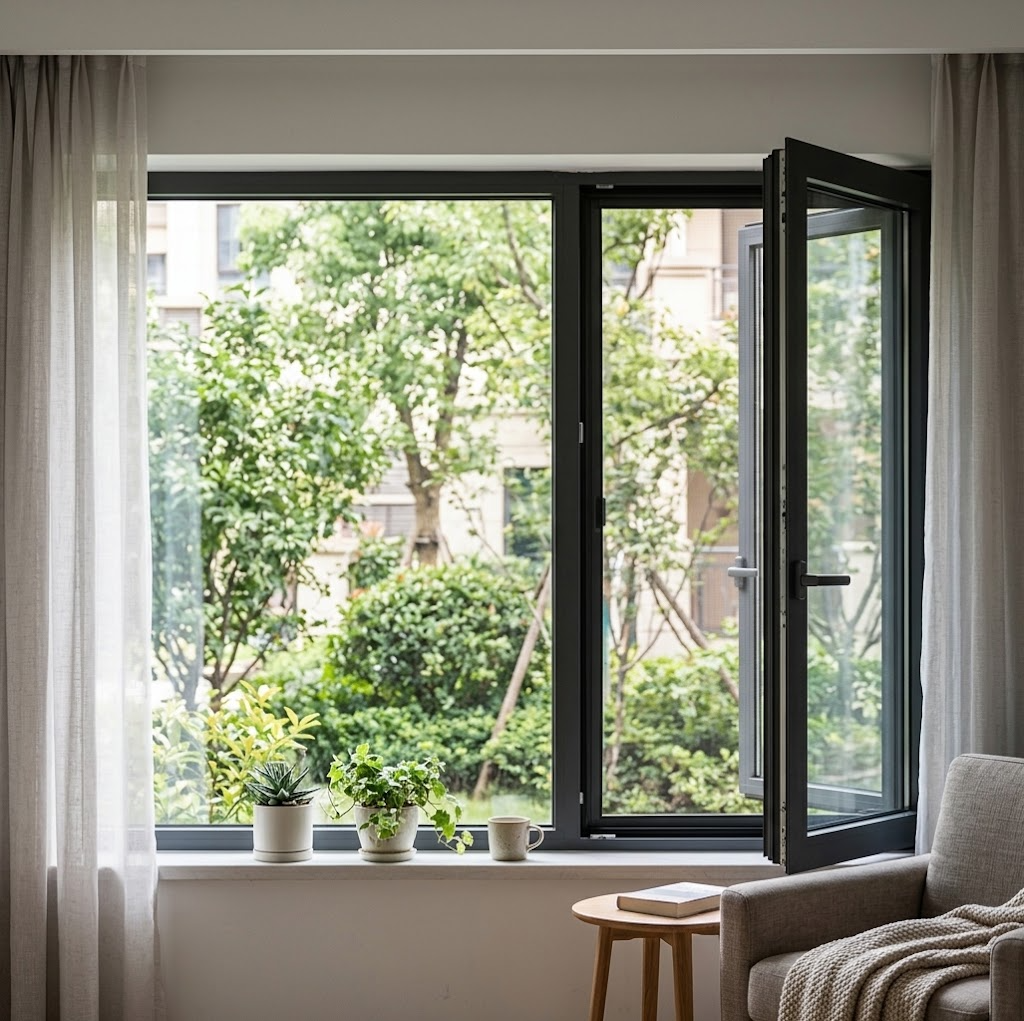
Understanding Thermal-Break Design in Aluminum-Framed Windows
A thermal break separates the inside and outside aluminium profiles with a material that has lower thermal conductivity. This structure reduces direct heat transfer through the frame and helps maintain a more stable indoor environment. For buildings located in areas with changing temperatures, this design can support better climate control.
When choosing windows with aluminum frame, project teams need to consider more than the material itself. The frame design affects how heat moves between outdoor and indoor spaces. A well-planned thermal break system helps reduce temperature differences around the window area and improves overall comfort.
The importance of thermal break technology becomes clearer in buildings with large window areas. Offices, apartments, and commercial spaces often use extensive glazing to create open and bright interiors. Without suitable insulation design, these areas may experience uneven temperatures near the windows.
We also pay attention to the relationship between thermal break profiles and other window components. Glass thickness, spacer systems, hardware, and sealing materials all influence final performance. A complete window solution needs coordinated design rather than focusing on one single part.
Why Thermal Performance Matters for Glazed Aluminum Windows
Modern aluminum glass windows are often used in projects that require a balance between visual design and functional performance. Aluminium allows manufacturers to create slim profiles and support larger glass panels, while thermal break structures improve the insulation characteristics of the frame.
Energy efficiency has become an important consideration in building design. Poorly insulated windows may increase the workload of heating and cooling systems because indoor temperatures are affected by external conditions. Thermal break aluminium windows help reduce this effect by limiting heat exchange through the frame.
Different buildings have different performance requirements. A residential project may focus on comfortable living spaces, while an office building may need stable indoor conditions throughout working hours. Understanding the building purpose helps designers select suitable frame structures and glass combinations.
For aluminum glass windows, the combination of aluminium profiles and insulated glazing plays an important role in achieving balanced results. The frame supports structural stability, while the glass system contributes to light transmission, insulation, and sound control. Both parts need to be considered during the design stage.
How Tilt And Turn Window Supports Modern Building Needs
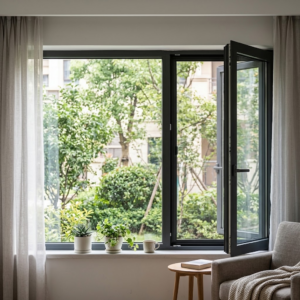
Opening methods are another important factor when selecting window systems. Different applications may require flexible ventilation, convenient operation, and reliable sealing. Tilt and turn designs provide an option for projects where users need controlled airflow without compromising the overall window structure.
A thermal break improves the frame, but whole-window performance also depends on insulated glazing, spacer design, perimeter seals, and installation quality. With a clean modern look and practical inward-opening function, it is suitable for residential and commercial spaces. The design allows users to adjust ventilation methods according to different indoor requirements.
At ZEKIN, we provide customizable aluminum tilt-and-turn windows for residential and commercial projects. The system can be configured with double glazing options for projects that require improved insulation and indoor comfort.
Double glazing can be combined with the selected frame system to improve thermal performance, subject to the complete product configuration. The design approach helps architects and contractors consider ventilation, operation, and energy-related requirements together.
Choosing Thermal Break Windows for Different Applications
Thermal break aluminium windows are used in various building environments because they provide flexibility for different project conditions. Residential developments, offices, hotels, and public buildings may have different expectations regarding appearance, operation frequency, and environmental performance.
Before selecting a window system, professional buyers usually review several factors. These include local climate conditions, building orientation, window size, glass specification, and installation requirements. These details influence how the window performs after installation.
At Zekin, we focus on providing aluminium window solutions based on actual project requirements. Our approach considers manufacturing precision, product configuration, and application needs. By understanding each project environment, we can support customers in selecting suitable window structures.
Thermal break technology is not only about improving insulation. It also supports better building planning by allowing designers to combine modern aesthetics with practical requirements. For projects using windows with aluminum frame, choosing the right thermal design can contribute to more comfortable and functional spaces.
Creating More Efficient Window Solutions
Thermal break aluminium windows have become an important consideration in modern architecture because they address the challenges caused by heat transfer through aluminium frames. Through suitable profile design, glazing selection, and sealing methods, these systems help buildings achieve a better balance between comfort and performance.
When evaluating aluminum glass windows, we believe the focus should be placed on the complete system rather than individual components. Our goal is to provide solutions that match different project requirements while maintaining attention to quality and practical use. Zekin continues to work with architects, contractors, and project partners to develop aluminium window solutions for modern buildings.