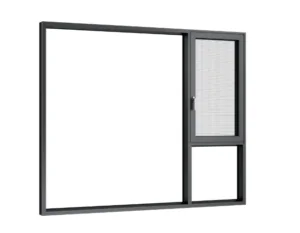
Sliding Doors vs Folding Doors: How We Choose the Right Solution for Modern Spaces
When planning a modern building project, door selection is closely related to space usage, daily operation, and architectural design. Sliding doors and folding doors are both popular choices, but they serve different purposes. We need to consider opening methods, available space, insulation requirements, and long-term performance before making a decision.
At Zekin, we understand that experienced architects, contractors, and property developers usually focus on practical details rather than appearance alone. The right door system should match the building structure and usage environment. In this article, we compare sliding and folding solutions to explain their differences and applications.
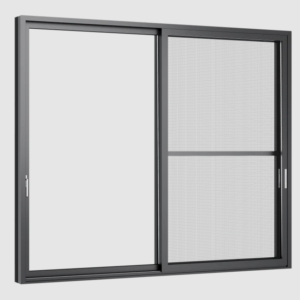
The Differences Between Sliding Aluminum Doors and Folding Systems
The main difference between sliding and folding doors is the way the panels operate. Sliding systems move horizontally along tracks, while folding systems connect multiple panels that fold together when opened. This difference directly affects space planning and daily use.
For projects that require a wide opening while maintaining a simple operating method, sliding aluminum doors can provide a suitable option. They allow large glass areas while keeping the opening process smooth. This makes them commonly used in residential buildings, commercial spaces, and hospitality environments.
An aluminum folding door works differently because its panels can stack to one side or both sides after opening. This design creates a larger open connection between indoor and outdoor areas. It is often considered for spaces that need flexible transitions, such as terraces, event areas, and modern villas.
The choice between these two systems depends on the project requirements. Sliding doors usually require less clearance because panels move along the track. Folding doors need additional space for panel movement and stacking, which should be considered during the design stage.
How Structural Design Influences Door Performance
Structural strength is an important factor when selecting aluminium door systems. Large glass panels create higher requirements for frame stability, hardware coordination, and installation accuracy. A well-designed structure helps maintain reliable operation during long-term use.
At Zekin, we develop sliding door systems with high-strength frames and an advanced gluing process. These design features support improved wind pressure resistance and provide stable performance for different architectural applications. Our sliding aluminum doors are designed for projects that require both large openings and structural reliability.
Glass selection also affects the overall performance of a door system. Double glazing is often used in modern buildings because it can help improve insulation performance and indoor comfort. Our double glass sliding doors use tempered glass with an ultra-wide air gap, supporting better thermal insulation requirements for contemporary spaces.
Folding doors also require careful engineering because multiple panels work together as one system. The hinges, rollers, and locking components need to match the door size and frequency of operation. Proper design helps maintain smooth movement and consistent performance.
Choosing Between Space Flexibility and Opening Experience
The opening experience is another important difference between sliding and folding systems. Sliding doors provide a clean movement path and allow users to open part of the space without moving all panels. This is practical for areas where daily access is frequent.
For large architectural openings, we offer flexible sliding configurations. Our systems support sash heights of up to 3000mm, with options ranging from standard two-track designs to multi-panel sliding door layouts. Large glazed panels and appropriately sized frames can provide broader sightlines and allow more daylight into the interior.
An aluminum folding door can create a more open feeling because the panels can be folded away. This feature is valuable for projects that want to connect indoor and outdoor areas during specific periods. However, users should consider maintenance access and available stacking space before selecting this solution.
Both systems have their own advantages. Sliding doors are often suitable for continuous access and large glass surfaces, while folding doors focus more on creating temporary full openings. Understanding the building function helps designers make a more suitable choice.
Application Considerations for Modern Architectural Projects
Different buildings have different door requirements. Residential projects may focus on daylight, ventilation, and connection with balconies or gardens. Commercial projects may require durability, frequent operation, and a design that matches the overall architecture.
When selecting sliding aluminum doors, project teams should review factors such as opening size, glass configuration, local weather conditions, and maintenance plans. These details influence the final system performance and user experience.
At Zekin, we provide aluminium door solutions based on practical project needs. Our experience in manufacturing allows us to support customised designs for different architectural applications. We focus on combining structural design, material selection, and production processes to meet project requirements.
For spaces that require maximum opening flexibility, an aluminum folding door can be considered as part of a wider architectural solution. However, the final choice should be based on the building layout, operating habits, and expected performance rather than appearance alone.
Making the Right Decision for Future Building Needs
Choosing between sliding and folding doors requires a clear understanding of space conditions, design goals, and performance expectations. Sliding systems provide smooth operation, large glass areas, and flexible opening configurations. Folding systems offer wider temporary openings and stronger indoor-outdoor connections.
For projects requiring durable structures and modern glazing solutions, our sliding aluminum doors provide a balanced approach between design and functionality. We recommend sliding doors for frequent access and broad glazed areas, and folding doors when a larger temporary opening justifies the additional stacking space and hardware complexity.
An aluminum folding door remains a valuable option for specific applications where full opening flexibility is important. Through careful evaluation of each project, we help customers select suitable solutions. Zekin continues to provide customised aluminium door systems for professional partners seeking reliable architectural products.