What Makes a Window Truly Energy Efficient?
Energy efficiency has become an important consideration in modern building design. When we evaluate window performance, we look beyond appearance and focus on how the complete window system works with the building environment. Material selection, structure, ventilation control, and daily operation all influence long-term performance.
For projects requiring reliable thermal and functional performance, choosing suitable aluminum tilt and turn windows or other advanced window solutions requires a clear understanding of actual application needs. At Zekin, we focus on developing window systems that balance practical use, structural stability, and modern architectural requirements.
Key Factors Behind an Energy-Efficient Window
A truly energy efficient window is not defined by one single feature. The frame material, opening method, glass configuration, and sealing design all affect how a window performs in different environments. Experienced buyers usually consider the complete system instead of only reviewing individual components.
The frame plays an important role because it supports the whole structure. Aluminum frames are widely used in modern projects because they provide strength and design flexibility. A sliding window’s energy performance should be evaluated using whole-product U-factor, SHGC, and air-leakage ratings for the selected frame, glazing, and sealing configuration.
Another important factor is how the window controls airflow. Buildings need fresh air circulation, but uncontrolled air exchange may influence indoor temperature management. A well-designed window should provide a balance between ventilation needs and environmental control.
How Material Selection Influences Window Performance
Aluminum alloy is a common choice for architectural windows because of its structural properties and adaptability. The material needs to support stable operation over time while matching different architectural styles. The thickness and construction quality of the frame can influence the overall feeling of reliability.
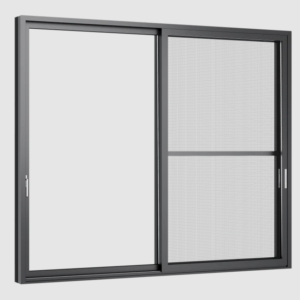
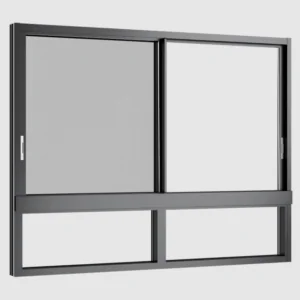
Our Sliding Window uses a 1.8 mm aluminum frame, while its energy performance depends on the complete frame, glazing, sealing, and installation configuration. This structure provides a solid foundation for daily use and supports a durable window design suitable for various building applications.
Beyond frame strength, the operation system also affects user experience. A sliding window needs to move smoothly while maintaining stable positioning. Poor operation performance may affect convenience, especially in projects where windows are frequently opened and closed.
Why Opening Design Matters for Modern Buildings
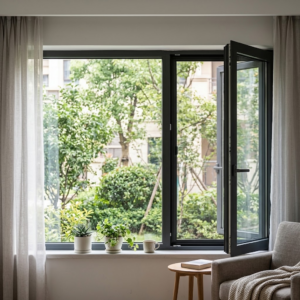
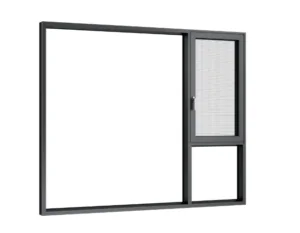
Different window types serve different purposes. For example, aluminum tilt and turn windows provide flexible opening options for projects that require both ventilation control and easy cleaning access. The design choice depends on the building layout, climate conditions, and functional expectations.
Sliding systems offer another practical approach. Our Sliding Window features an advanced parallel-track operation system that reduces friction during movement. This parallel-track system is designed to reduce sliding friction, while sightlines and daylight depend on the frame dimensions, panel configuration, and glazed area.
Ventilation is also connected with indoor comfort. A suitable window system allows users to adjust airflow according to daily requirements. For commercial and residential buildings, this flexibility helps create spaces that are more comfortable for occupants.
Practical Features That Support Daily Comfort
Daily usability affects overall product suitability, while energy efficiency should be evaluated through thermal, solar-gain, and air-leakage performance. Easy operation, maintenance considerations, and additional functional options can improve the overall value of a window solution.
For locations where ventilation and insect protection are both important, project teams should review the thermal-break design, glazing specification, perimeter seals, installation details, and whole-product ratings.
When selecting energy efficient sliding windows, project teams should also review how the window matches the building’s usage conditions. Different spaces may require different combinations of ventilation, visibility, and operation methods.
Selecting the Right Window Solution for Long-Term Projects
Experienced customers usually evaluate windows based on practical requirements rather than only product appearance. Factors such as installation environment, maintenance plans, and daily usage frequency should all be considered before making a decision.
At Zekin, we understand that each project has different expectations. Our approach focuses on providing window solutions that combine functional design with dependable construction. Whether a project requires sliding systems or aluminum tilt and turn windows, careful product selection helps create better building environments.
A suitable window system should work together with the overall building design. Material quality, operation structure, and additional features all contribute to long-term performance. Through practical engineering considerations, windows can support comfort, usability, and architectural goals.
Building Better Efficiency Through Smart Window Selection
Choosing truly energy efficient windows requires attention to the details behind the product. Frame construction, opening systems, ventilation functions, and user requirements all influence the final result. A window is not only a visual element but also an important part of building performance.
At Zekin, we continue to develop window solutions based on practical applications and market requirements. By understanding the role of energy efficient sliding windows and selecting suitable systems for different projects, customers can create spaces with better comfort and functional performance. Careful evaluation of aluminum tilt and turn windows and other window options can help achieve balanced building solutions.