Aluminum Front Entry Doors vs. Steel Doors: Durability Comparison
In commercial building projects where door system selection influences long-term performance and maintenance planning, material choice is often evaluated at an early specification stage. In many cases, steel and aluminum are compared for exterior entrances in different usage conditions. As an entry door manufacturer, we frequently evaluate how materials perform under repeated usage in varied environments. In this context, aluminum front entry doors are often compared with steel doors based on structural behavior, corrosion response, and surface stability. Our company, Zekin, focuses on delivering solutions that align with project requirements rather than general assumptions.
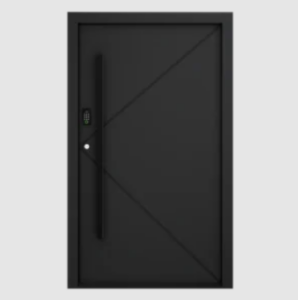
Material Performance Under Load and Exposure
Steel doors are often selected for their high rigidity and consistent structural resistance in demanding environments. They can handle impact forces well and maintain shape under repeated mechanical stress in commercial buildings. Aluminum systems, on the other hand, provide a different balance between weight and corrosion behavior. Their lighter structure reduces installation load, which can be useful in certain façade designs. However, long-term durability depends on coating quality, maintenance schedules, and environmental exposure conditions. In projects managed by experienced contractors, material selection is often based on lifecycle expectations rather than short-term appearance. Steel and aluminum therefore serve different priorities depending on project requirements and budget constraints. Field performance data from past installations also informs design adjustments and specification decisions. This comparison is particularly relevant in large-scale commercial entry systems where maintenance access is limited. Selection should match project needs closely.
Our Entry Door Solutions in Practice
As an entry door manufacturer, we approach material selection through project-specific performance requirements rather than general assumptions. In our recent engineering reviews, we evaluated how different door systems respond to repeated opening cycles in public and commercial buildings. Within this process, aluminum front entry doors were assessed for surface stability and corrosion resistance over extended service conditions. We also reference solutions from Zekin entry systems designed for commercial applications. The product range available at our entry door manufacturer page includes configurations suitable for retrofit and new construction projects. Field feedback helps refine how materials perform in environments with fluctuating temperature and humidity. These observations support clearer specification decisions during early design stages. In practice, we balance structural strength and weight considerations depending on installation context. Such evaluations are essential for long-term planning in commercial entrance system projects we observe closely.
Final Considerations in Material Selection
When comparing steel and aluminum systems, we recognize that each material serves distinct operational needs in commercial architecture. As an entry door manufacturer, we continue to evaluate long-term performance data from installed projects. Many contractors reference aluminum front entry doors when considering weight-sensitive façade requirements and corrosion-prone environments. Our company Zekin integrates field insights into product development for commercial entry systems. Both steel and aluminum options remain widely used in different project categories across infrastructure and building sectors. This balanced view supports informed decision-making during specification planning stages. Overall, we aim to provide practical insights that help project teams evaluate material performance without unnecessary complexity in communication during early design and review phases process.