Casement vs Sliding Windows: Which Is Better for Modern Homes?
Choosing the right window style is an important part of modern home design. Windows affect ventilation, natural lighting, energy performance, and the overall appearance of a building. When homeowners, architects, and contractors compare different options, the decision often focuses on whether casement or sliding designs can better match the project requirements.
We understand that modern residential projects need windows that balance function and appearance. The choice between casement aluminum windows and sliding aluminum windows depends on factors such as space planning, daily use habits, and performance expectations. By comparing their structures and applications, we can better understand which solution fits different home environments.
Structural Differences Between Casement Aluminum Windows and Sliding Aluminum Windows
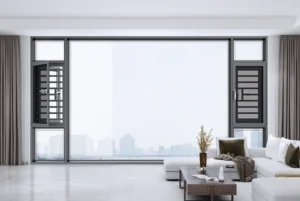
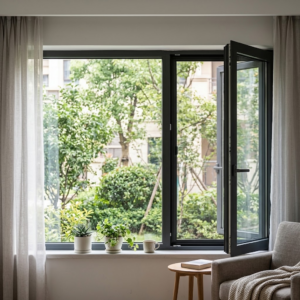
The main difference between these two window styles is the opening method. Casement windows are attached with hinges and open outward or inward like a door. This structure allows the entire window panel to open, creating a wider ventilation area when fresh air circulation is needed.
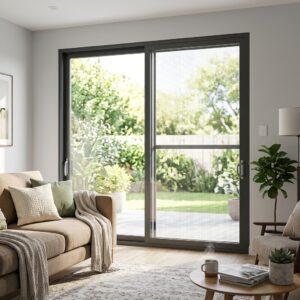
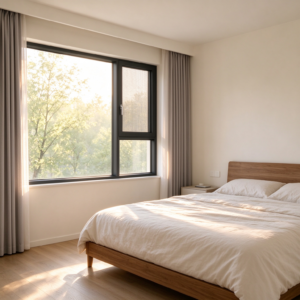
In comparison, sliding aluminum windows use horizontal tracks that allow panels to move left or right. This design does not require additional opening space, making it suitable for rooms where furniture placement or outdoor areas limit window movement.
For modern homes, the choice between the two designs often depends on the relationship between indoor space and exterior conditions. Casement windows can provide a larger opening angle, while sliding designs offer convenient operation in areas with limited space.
We often consider how the window will be used throughout the year. Bedrooms, living rooms, and areas that require stronger airflow may benefit from a hinged structure, while balconies and compact rooms may work better with a sliding system.
Ventilation and Daily Comfort Considerations
Ventilation is one of the main reasons homeowners evaluate different window systems. Casement designs can direct airflow more effectively because the open sash creates a larger passage for air movement. This feature can support natural ventilation strategies in residential buildings.
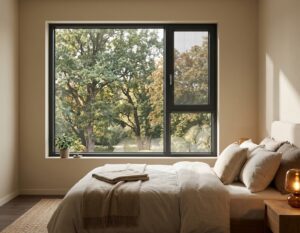
Our casement aluminum windows are designed with durable aluminum profiles that provide structural stability and corrosion resistance for long-term residential use. The inward opening design also makes cleaning easier from inside the home and supports convenient daily maintenance.
However, sliding windows also have practical advantages. Their horizontal movement makes operation simple, especially for large openings. In modern apartments or homes with wide glazed openings, sliding windows can preserve broad outdoor views without requiring additional interior opening space.
The final selection should consider the room layout and local climate conditions. Homes in areas that require frequent ventilation may prefer casement structures, while projects focused on space efficiency may choose sliding designs.
Comparing Energy Efficiency, Glass Options, and Maintenance
Window performance depends not only on the frame design but also on the glass configuration and installation quality. Modern residential projects often require solutions that help manage indoor comfort through better insulation and sound control.
Casement windows can be specified with double or triple glazing, which may improve thermal and acoustic performance depending on the complete window configuration.
Maintenance is another factor that affects long-term use. A casement window with an inward opening structure allows homeowners to clean the glass surface more easily without accessing the exterior side. This can be useful for multi-storey residential buildings.
Sliding systems also provide simple maintenance because of their straightforward track structure. However, regular cleaning of the tracks is important to keep the movement smooth. Both designs require suitable installation and proper care to maintain performance over time.
How Modern Homes Can Choose the Right Window Style
Modern architecture often combines large glass areas with clean exterior lines. In these projects, window selection needs to match both visual goals and practical requirements. A carefully selected window system can support natural lighting while maintaining indoor comfort.
When we evaluate projects, we focus on the relationship between design style, building structure, and user expectations. For example, a villa with large ventilation requirements may benefit from casement solutions, while a high-rise apartment with limited balcony space may require sliding designs.
Zekin provides window solutions that support different residential applications. Our casement windows can be fitted with optional insect screens to support ventilation while reducing insect entry.
For experienced builders and designers, choosing between sliding aluminum windows and casement styles is not simply about appearance. Factors such as opening frequency, cleaning access, weather conditions, and building design all influence the final decision.
Making a Practical Choice for Modern Residential Projects
Both casement and sliding windows have their own advantages. Casement designs are suitable for projects that require wider openings, stronger ventilation control, and convenient maintenance. Sliding designs are practical for spaces where smooth operation and space-saving features are important.
There is no single option that fits every residential project. The right choice depends on the building environment and the expectations of the people using the space. By understanding the differences between these two systems, homeowners and professionals can make more practical decisions.
At Zekin, we continue to develop window solutions that combine functional design with reliable materials. For modern homes considering casement aluminum windows or sliding aluminum windows, selecting the right structure based on actual needs can help create comfortable and durable living spaces.