Reduce Outside Noise with the Right Windows
Outside noise has become an important factor in modern building design. Traffic, construction activities, commercial areas, and daily urban sounds can affect indoor comfort. For architects, contractors, and property developers, choosing suitable windows and doors is not only about appearance but also about acoustic performance, structure, and long-term use.
We understand that experienced customers need practical solutions based on real applications. The right combination of glass selection, frame design, sealing systems, and installation methods can help create quieter indoor spaces. In this article, we will discuss how different window and door solutions support noise reduction in residential and commercial projects.
How Window Structure Influences Sound Control
Window structure plays an important role in reducing outside noise. Sound can enter through glass panels, frame connections, and small gaps around the installation area. A well-designed window system needs to consider these areas together instead of focusing only on one component.
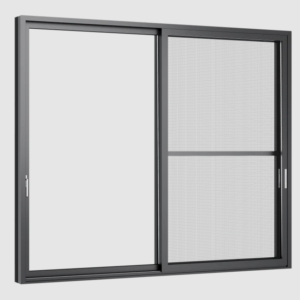
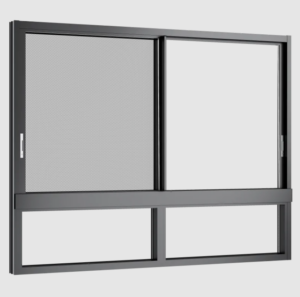
Glass thickness and air space between glass layers can affect acoustic performance. A double glass sliding window uses two glass panels with an insulating space between them, which can help reduce the transmission of common outdoor sounds. This design is often considered for homes, offices, and buildings located in areas with regular noise exposure.
Frame materials also influence overall performance. Aluminium frames with suitable insulation structures can support both thermal control and sound reduction. When combined with proper sealing materials, the window system can reduce air leakage paths that may allow external noise to enter.
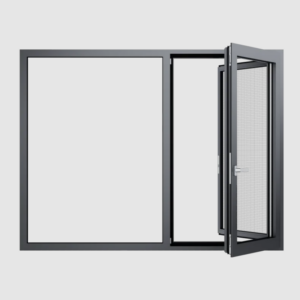
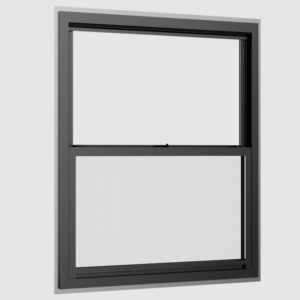
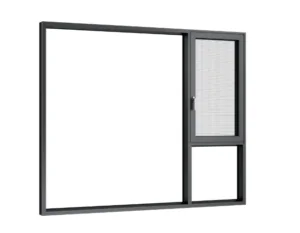
For projects near busy roads or urban environments, selecting windows based on actual noise conditions is important. Different locations may require different glass combinations, opening methods, and installation approaches to meet project expectations.
Choosing a Double-Glazed Sliding Window for Modern Buildings
Sliding windows are widely used because they provide flexible ventilation and space-saving operation. However, their performance depends on the design details, including the frame structure, glass configuration, and sealing method. A suitable sliding window system can support comfortable indoor environments while maintaining a modern appearance.
At Zekin, we focus on aluminium window solutions that combine practical design with building requirements. Our sliding window uses a 14.8 mm thermal break to reduce heat transfer, while its acoustic performance depends on the complete glazing, frame, sealing, and installation configuration.
The sliding window configurations are designed for various project requirements. We support sash sizes from 300–2000mm in width and 800–1800mm in height. Customers can choose standard two-panel designs, three-track sliding windows, or larger configurations with up to six panels according to space planning needs.
Colour selection is also an important part of modern architecture. Our aluminium sliding window products are available in customised colours to match different design styles. They are used in residential houses, luxury villas, and commercial buildings where both appearance and performance are considered.
Why Doors Also Matter for Indoor Noise Reduction
Windows are not the only part that affects indoor sound control. Doors also create possible sound transmission points, especially at entrances and frequently used access areas. A complete building solution should consider both windows and doors to create a more balanced acoustic environment.
A well-sealed entry door with suitable glazing and tested acoustic performance can help reduce noise transmission from streets, corridors, and shared spaces. Door materials, sealing systems, and installation quality all influence the final performance. For commercial buildings and high-end residential projects, entrance door selection requires careful evaluation.
When we develop solutions for different applications, we consider the relationship between doors and windows. A building with high-performance windows may still experience unwanted noise if the entrance system does not provide suitable protection. Coordinated design helps create more consistent indoor comfort.
Our experience with aluminium door and window systems allows us to support customers with different project requirements. At Zekin, we provide customised solutions based on building types, design expectations, and practical usage conditions rather than offering a single standard approach.
Installation Details That Affect Noise Performance
Even a well-designed window system needs correct installation to achieve expected results. Small gaps between the frame and wall can reduce overall performance. Professional installation methods, suitable sealing materials, and accurate measurements are important steps during construction.
For renovation projects, existing building conditions should also be reviewed carefully. Wall structures, opening sizes, and surrounding materials may influence the selection of windows and doors. A detailed evaluation helps customers choose products that fit the actual environment.
A soundproof entry door should also be installed with attention to frame alignment and sealing details. Proper installation helps maintain the designed structure and supports stable daily operation over time.
Experienced buyers usually consider the complete system instead of only product specifications. Factors such as local climate, building location, maintenance requirements, and usage frequency all influence the final selection.
Building Quieter Spaces with Suitable Window Solutions
Reducing outside noise requires cooperation between product design, material selection, and installation quality. Windows and doors work together as part of the building envelope, and each component affects indoor comfort.
A suitable double glass sliding window can provide a practical option for projects that require improved insulation and noise control. Combined with appropriate doors, installation methods, and project planning, it can support quieter living and working environments.
We continue to develop aluminium door and window solutions for residential and commercial applications. Our window and door systems can be configured according to the project’s glazing, sealing, size, installation, and acoustic requirements. For projects that require a balanced approach to comfort, design, and functionality, selecting the right window and door combination is an important step.