What Should You Look for When Buying New Windows?
For homeowners, builders, developers, and project buyers, the right window is not simply the one with the lowest quotation. The specification must fit the building, climate, opening, glazing requirements, and installation plan. Energy performance is also measurable: ENERGY STAR identifies U-factor and Solar Heat Gain Coefficient (SHGC) as key comparison points, while the U.S. Department of Energy recommends considering the frame, glazing, gas fills, spacers, and operation together.
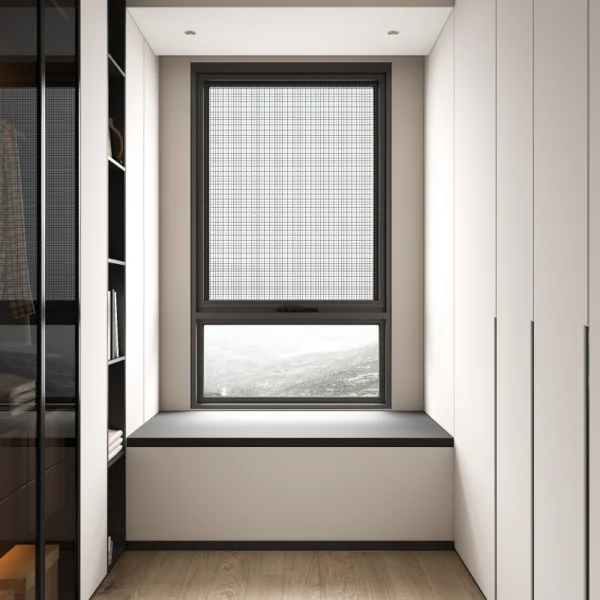
What Should You Check Before Buying New Windows?
Start with the project requirements, because a window that works well in a villa may not be the right specification for an apartment, hotel, or commercial building. Before requesting quotations, define the opening sizes, climate, orientation, ventilation needs, appearance, safety requirements, and applicable building standards.
For a project team, this short checklist helps prevent price comparisons between products that are not actually equivalent:
- Opening dimensions and installation conditions
- Climate and solar exposure
- Fixed or operable configuration
- Glazing and thermal requirements
- Hardware, seals, security, and maintenance
- Required tests, certifications, warranty, and delivery schedule
What Window Performance Ratings Should You Compare?
Compare the actual performance values rather than relying on descriptions such as “energy efficient.” U-factor measures the rate of heat transfer through a window, while SHGC indicates how much solar heat enters through the window; the appropriate target depends on climate and building orientation.

| Parameter | What it indicates | Why buyers should check it |
| U-factor | Heat-transfer performance | Useful for comparing insulation performance |
| SHGC | Fraction of solar radiation admitted through the window
| Important for solar-exposed or cooling-dominated buildings |
| Air leakage | Air passing through the window assembly | Relevant to comfort and envelope performance |
| Visible transmittance | Daylight transmitted | Helps balance glazing, daylight, and views |
| Condensation resistance | Resistance to condensation | Relevant where moisture and temperature differences are concerns |
National Fenestration Rating Council (NFRC) explains that these ratings are intended to make window products comparable. A lower U-factor generally means less heat transfer through the window, while a lower SHGC means less solar heat enters through the glazing.
Why Should You Compare the Frame, Glazing, and Hardware System?
For builders, developers, and distributors, choosing a wholesale aluminum window supplier also means looking beyond the basic frame and glass configuration. The supplier should be able to provide consistent specifications, suitable glazing options, hardware configurations, and documentation for the intended project.
Glazing deserves the same attention. Double or triple glazing, low-emissivity coatings, gas fills, and suitable spacers can change the thermal behaviour of the complete window. DOE notes that glazing selection can be particularly important because climate, orientation, and building design affect the required combination of properties.
- Frame: aluminum profile, thermal-break configuration, finish
- Glazing: pane count, coating, gas fill, spacer and glass specification
- Operation: sliding, casement, awning, fixed, tilt-and-turn, or another configuration
- Sealing and hardware: weatherstripping, locking and operating hardware
How Can You Evaluate Aluminum Window Manufacturers?
When buyers search for the best aluminum window manufacturers, the useful question is not which supplier carries the strongest marketing claim, but which manufacturer can provide the documented specifications, testing, customization, quality control, and project support that the building requires. For builders and developers, ask suppliers to provide the exact product specification and applicable evidence before comparing quotations.
For wholesale aluminum window purchasing, also clarify whether the supplier can coordinate different window configurations, finishes, glazing requirements, packaging, delivery, and project documentation. A lower unit price does not automatically represent a lower project cost if specifications, lead times, or installation requirements differ.
- Request a complete technical quotation, not only a unit price.
- Confirm which performance or certification claims apply to the quoted configuration.
- Ask how dimensions, glazing, hardware, finishes, and packaging are controlled.
- Confirm production, inspection, delivery, replacement, and warranty arrangements.
- Compare equivalent specifications across suppliers before making a commercial decision.
Why Consider ZEKIN for Aluminum Window Projects?


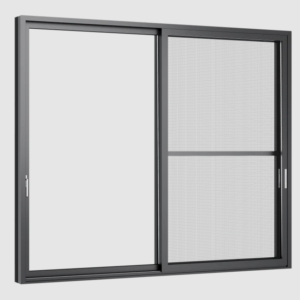
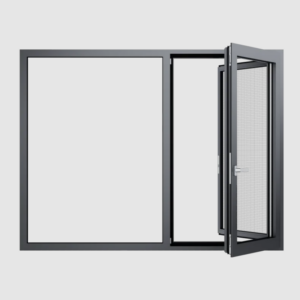
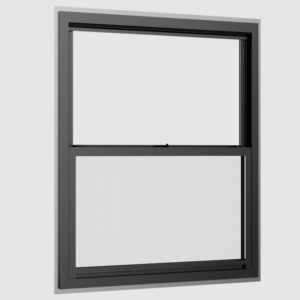
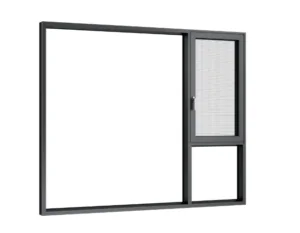
ZEKIN positions itself as a China-based manufacturer providing wholesale window and door solutions for residential and commercial projects. It lists aluminum windows alongside aluminum doors and entry doors, and its aluminum window category includes casement, sliding, skylight, tilt-and-turn, awning, single/double-hung, fixed, and folding configurations.
The aluminum window range uses thermal-break systems, with production processes covering aluminum extrusion, surface coating, glass tempering, and precision assembly. The listed specifications include 6063-T5 aluminum profiles and German hardware, while the product category cites CE, AS2047, CSA, and NFRC requirements. Buyers can confirm which standards and certifications apply to the specific window configuration included in a project quotation.
For example, sliding windows can be considered where space around the opening is limited, while tilt-and-turn configurations can be evaluated when buyers need different opening modes. These product-level characteristics can help buyers match configuration to use case rather than choosing every opening type on appearance alone.
What Should You Confirm Before Placing the Window Order?
Before approving the purchase order, put the complete window specification in writing so the quoted product can be checked at production, delivery, and installation.
| Order item | What to confirm |
| Dimensions | Opening size, frame size, tolerances and installation conditions |
| Configuration | Window type, opening direction and fixed/operable sections |
| Glazing | Glass build-up, coating, gas fill, spacer and safety requirements |
| Frame | Aluminum profile, thermal break and finish |
| Hardware | Locks, handles, hinges/rollers and operating requirements |
| Performance | U-factor, SHGC, air leakage and other required ratings |
| Compliance | Applicable standards, certificates and project documentation |
| Commercial terms | Quantity, packaging, lead time, warranty and delivery responsibilities |
ENERGY STAR similarly recommends asking for the exact U-factor and SHGC for each window being considered and documenting the relevant product information.
Conclusion: How Can You Choose New Windows With Confidence?
Choose new windows by comparing complete systems rather than isolated features. Start with the building and opening requirements, then compare frame construction, thermal breaks, glazing, operation, seals, performance ratings, compliance evidence, and supplier capability.
For builders, developers, distributors, and homeowners, the most useful quotation is therefore one that makes these variables visible. A documented specification lets you compare suppliers on the same basis and reduces the risk of selecting a window that looks right but does not meet the project’s performance or installation requirements.