Friendly Trends: How Most Energy Efficient Sliding Glass Doors Help
Eco-friendly building design is increasingly focused on reducing operational energy use in commercial and residential projects. As we develop solutions at Zekin, we observe that glazing systems and door configurations play a practical role in thermal control and daylight management. In many retrofit and new-build projects, our team works with a sliding door supplier to align product specifications with project requirements, especially where space efficiency and insulation performance are considered. This approach helps us address real installation conditions rather than theoretical assumptions. We also review material selection and frame structure to ensure compatibility with long-term usage patterns in diverse climates.

Design Priorities in Energy-Conscious Projects
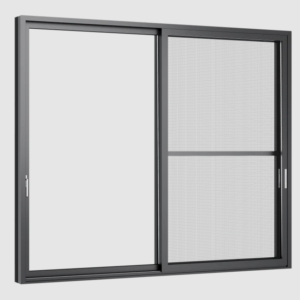
In recent commercial developments, we focus on envelope performance and user comfort in equal measure. The discussion around most energy efficient sliding glass doors often centers on thermal break systems, glazing thickness, and air infiltration control. Our engineering team evaluates these factors alongside project constraints to ensure practical implementation. Working closely with a sliding door supplier allows us to refine hardware compatibility and installation methods during early planning stages. At Zekin, we integrate feedback from field applications to improve system consistency across different building types. This process reduces rework during on-site installation and supports more stable long-term operation.
On-Site Application and Material Evaluation
In field applications, durability and maintenance considerations are as important as thermal performance. We often analyze how most energy efficient sliding glass doors perform under varying humidity and temperature conditions in real projects. This evaluation helps us refine component selection and improve installation guidelines. Coordination with a sliding door supplier ensures that frame systems and sealing technologies are aligned with project specifications. At Zekin, we also monitor post-installation feedback from contractors to identify areas for incremental improvement. These insights contribute to more predictable system behavior across repeated installations.
Long-term Building Performance Considerations
In long-term planning for building envelopes, operational stability and maintenance cycles are evaluated together with environmental exposure factors. We consider how glazing systems interact with daily usage patterns, especially in commercial facilities with high foot traffic. The evaluation of most energy efficient sliding glass doors includes not only thermal insulation but also operational smoothness and hardware wear over time. We work with partners and internal teams to ensure installation guidelines remain consistent across different project environments and regulatory conditions. At Zekin, we emphasize feedback loops from field engineers and contractors to refine assembly procedures and reduce installation variability. This helps us maintain predictable performance in diverse climates and ensures that system behavior aligns with design expectations in practice. We also review service data collected from completed projects to support iterative improvements in design and installation methods over time.