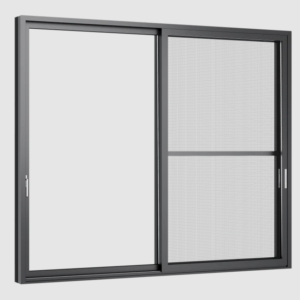
Troubleshooting Guide: Why Your quiet sliding door is Making Noise
Many industrial and commercial facilities rely on sliding door systems for daily operation. When noise appears, it often signals installation, track alignment, or maintenance issues rather than product failure. At Zekin, we work with experienced engineers to evaluate these conditions in real projects. As a sliding door supplier, we understand that a quiet sliding door is expected to maintain smooth movement even under frequent use. In this guide, we focus on practical troubleshooting steps that we apply when clients report unexpected sound during operation, especially in high-traffic environments where consistency matters.

Track Alignment and Roller Wear Factors
One common source of operational noise comes from track misalignment or worn rollers. In many field inspections conducted by Zekin, we observe that dust accumulation and uneven load distribution can gradually affect movement stability. As a sliding door supplier, we often recommend routine inspection of guide rails and roller assemblies to reduce friction points. A quiet sliding door depends heavily on precise mechanical balance, and even minor deviations can generate intermittent sound during opening and closing cycles. Maintenance teams in industrial buildings typically address these issues by cleaning tracks, checking fasteners, and confirming that door frames remain level under long-term use.
Lubrication and Environmental Influences
Another factor affecting unwanted sound is insufficient lubrication on moving components. When lubrication levels drop, metal contact increases friction, producing audible vibration during operation. Temperature changes in industrial environments can also influence material expansion, which affects how smoothly the door system performs. Dust, humidity, and frequent usage cycles further contribute to gradual wear of mechanical parts. Regular maintenance schedules that include cleaning and reapplication of appropriate lubricants help stabilize performance over time. In many commercial projects, technicians also evaluate surrounding structural conditions to ensure that vibration sources outside the door assembly are not contributing to perceived noise.
Restoring Smooth Operation Through Practical Adjustments
In many cases, resolving noise issues requires a combination of inspection, adjustment, and routine upkeep performed at the right intervals. We at Zekin have found that structured maintenance plans help facility teams identify early signs of wear before they develop into more noticeable sound problems. As a sliding door supplier, we support clients in reviewing installation alignment and operational load conditions during service checks. A quiet sliding door performance outcome is usually achieved when mechanical balance and environmental factors are managed together rather than in isolation. Our field experience shows that small corrective actions, such as realigning tracks or replacing worn rollers, can restore smoother movement without major system changes. Continuous monitoring in high-traffic environments helps ensure that performance remains stable across long usage cycles.