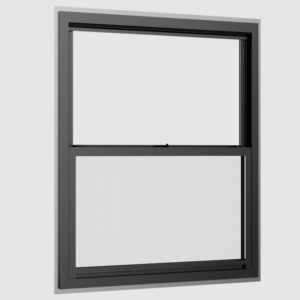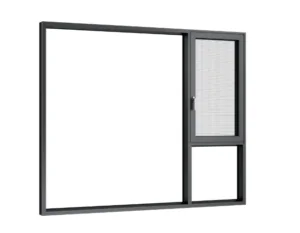
What are sliding aluminum windows and How Do They Work?
In commercial and residential construction, sliding aluminum windows are widely used because they support flexible ventilation and efficient space planning. At Zekin, we often work with contractors, developers, and procurement teams that need window systems suitable for projects with repeated daily use. Unlike hinged designs, these windows move horizontally along a track, which helps reduce the space needed for opening and closing. Many experienced buyers also prefer this structure for modern buildings where clean lines and simple operation are important. As one of the professional sliding window manufacturers, we focus on frame stability, practical hardware selection, and long-term usability for large-scale projects.
Track Structure and Operating Method
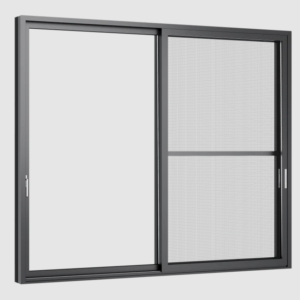
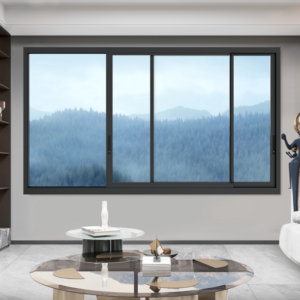
The operating system of sliding aluminum windows is based on rollers, tracks, and sash panels. The movable sash slides horizontally along the lower rail while the fixed panel remains in position. This structure allows users to open part of the window without affecting nearby furniture or interior layouts. In our projects at Zekin, we often provide configurations with double-track or triple-track systems depending on ventilation and opening requirements.
The aluminum frame plays an important role in daily operation. Aluminum has stable structural properties and supports slim frame profiles, which helps increase glass area while maintaining durability. Many sliding window manufacturers also use sealing strips and drainage channels to improve water management during rainy conditions. For commercial buildings, warehouses, and hospitality projects, this design can support smooth operation even under frequent use.
Practical Features for Commercial Projects
For B2B buyers, window performance is closely connected to installation efficiency and long-term maintenance planning. Sliding aluminum windows are commonly selected for apartment developments, office buildings, and mixed-use projects because the structure is relatively straightforward. The sliding mechanism also helps reduce interference with curtains, walkways, or exterior equipment.
At Zekin, we pay close attention to details such as corner connections, rail finishing, and hardware compatibility. These elements influence the overall operation of the system after installation. Many procurement teams working with sliding window manufacturers also review factors such as glass thickness options, mosquito screen integration, and frame surface treatment before confirming specifications.
In coastal or humid environments, aluminum frames are often combined with surface coatings to support corrosion resistance. This makes the system suitable for projects that require consistent appearance across multiple units. Different glass configurations can also be matched with the window structure to support insulation or sound reduction targets required by the project.
Window Selection and Long-Term Use
When selecting sliding aluminum windows, project teams usually evaluate opening size, hardware quality, and maintenance access together. A well-designed sliding system should maintain stable movement after repeated operation and allow cleaning without complicated disassembly. At Zekin, we provide window solutions designed for practical engineering requirements while supporting different architectural styles and installation conditions.
For developers and contractors, working with experienced sliding window manufacturers can help improve coordination during production and installation stages. Understanding how the sliding structure works also helps buyers choose suitable configurations for ventilation, lighting, and long-term building operation.