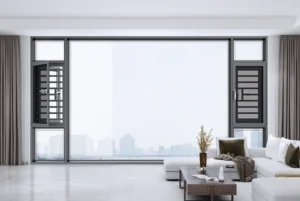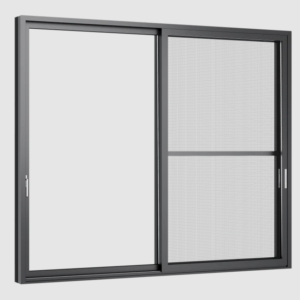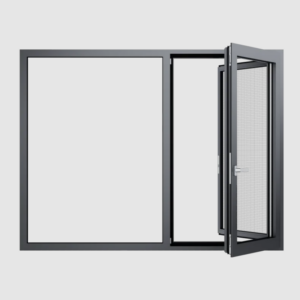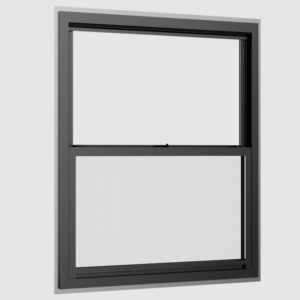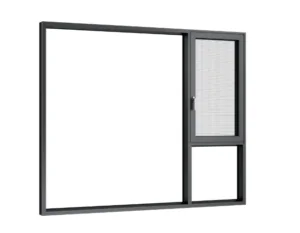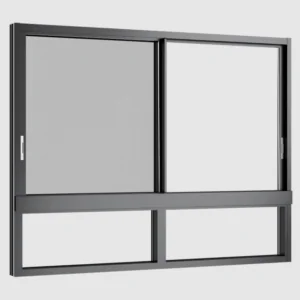
Rising energy costs and evolving architectural standards are pushing developers and contractors to rethink door system choices. Thermally advanced sliding solutions are rapidly replacing conventional framed options, particularly in projects that prioritize efficiency and expansive design. When comparing systems designed for a sliding door wide opening against traditional frames, the differences in performance, comfort, and long-term value become increasingly clear.
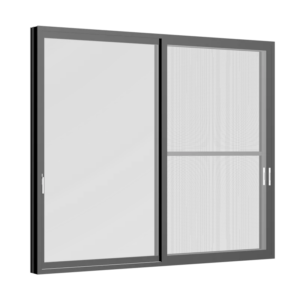
Thermal Efficiency and Energy Performance
One of the most significant advantages of modern sliding systems lies in their insulation capabilities. The most energy efficient sliding glass doors are engineered with thermal break technology that minimizes heat transfer, helping maintain consistent indoor temperatures. This is a critical factor for commercial buildings and high-end residential projects aiming to reduce energy consumption.
Traditional door frames, often made without advanced insulation features, tend to allow heat loss in winter and heat gain in summer. In contrast, thermally insulated systems are specifically designed to seal tightly while still supporting a sliding door wide opening. This ensures that large glass panels do not compromise the building’s overall energy efficiency.
Structural Strength and Large Opening Capability
Modern construction increasingly favors open-plan layouts and seamless indoor-outdoor transitions. A sliding door wide opening is ideal for such applications, but it requires robust structural integrity. Advanced sliding systems utilize thicker profiles—such as 2.3mm aluminum structures—to enhance safety and resistance to wind pressure.
Additionally, improved manufacturing techniques, including precision gluing processes, significantly strengthen frame joints and overall durability. These features allow the most energy efficient sliding glass doors to support larger panels without sacrificing stability or performance. Traditional frames, on the other hand, may struggle to maintain rigidity and alignment in wide-span applications, limiting their suitability for contemporary designs.
User Experience and Functional Advantages
Beyond technical performance, user experience plays a key role in system selection. Modern lift-and-slide mechanisms provide a smooth, quiet, and effortless operation, even for oversized panels. This makes them particularly suitable for commercial spaces, luxury residences, and hospitality environments where ease of use and premium feel are essential.
Traditional door systems often rely on simpler mechanisms that may become difficult to operate over time, especially in larger formats. In contrast, the most energy efficient sliding glass doors are designed to combine performance with comfort, ensuring long-term reliability. Their ability to deliver a seamless sliding door wide opening while maintaining acoustic insulation and weather resistance further enhances their appeal.
Driving Value Through Advanced Solutions
Choosing between thermally insulated sliding systems and traditional frames ultimately comes down to long-term value and project requirements. At Zekin, we focus on delivering high-performance solutions tailored to modern construction needs. Our sliding door systems feature a smooth lift-and-slide design, offering excellent thermal insulation, strong wind resistance, and quiet operation.
We utilize 2.3mm profile thickness and advanced gluing technology to ensure superior structural strength and safety. By combining these features, we provide the most energy efficient sliding glass doors that support expansive sliding door wide opening designs. Working with our partners, we aim to deliver solutions that elevate both functionality and aesthetics, helping businesses stay ahead in a competitive market.