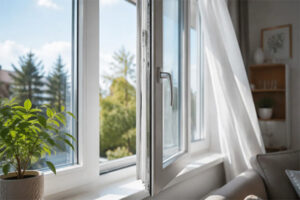
How Do Aluminum Skylight Windows Improve Natural Lighting?
Aluminum skylight windows improve natural lighting in three direct ways. They admit more daylight through large glazing areas, they use slim aluminum frames that block less of the sky, and they apply design features that spread light evenly through a room. You get a brighter space without adding fixtures.
The details behind that answer are practical. Frame profiles decide how much glass you gain. Placement and roof slope control how much sun a skylight captures. Durability keeps glass clear for years. Glazing options balance brightness against heat and glare. Cost and energy codes shape the final choice for your home or project.
Key Takeaways
- Slim aluminum frames let you have larger glass areas. This means more daylight enters your room.
- Place skylights where they capture the most sky. South-facing roofs and high positions work best.
- Aluminum frames resist weather and keep glass clear. Regular cleaning maintains bright light for years.
- Low-e coatings and tints control heat and glare. They keep your room bright and comfortable.
- Skylights cost more upfront but save on energy bills. They also increase your home’s value.
Aluminum Skylight Windows Maximize Glazing
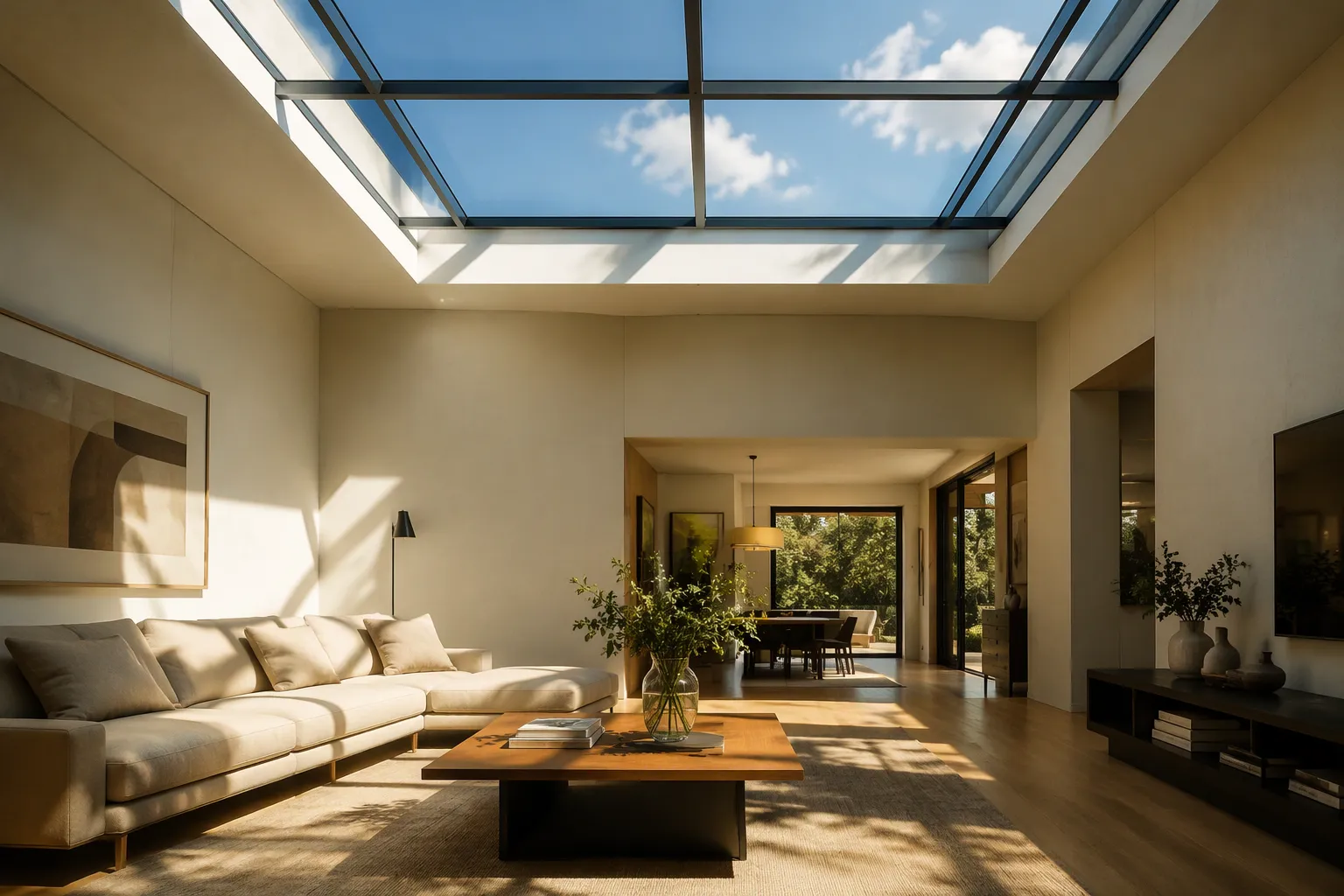
Aluminum skylight windows improve brightness through one simple advantage. The frame material is strong, so the glass area can grow. More glass means more daylight enters the room, and that trade-off drives most of the gain you see.
Strong Frames, Bigger Glass
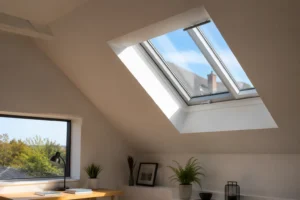
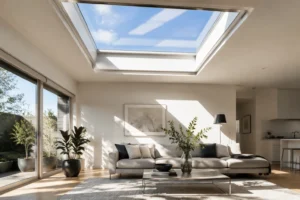
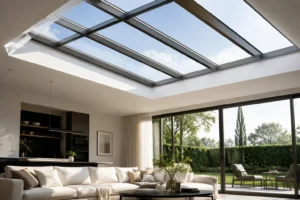
Aluminum carries structural loads well for its weight. A manufacturer can build a slim frame around a large pane without sagging or flex. Bulkier frame materials force you to shrink the glass to keep the unit rigid. A fixed aluminum skylight window shows the difference clearly. The frame nearly disappears, and the opening fills with glass. That strength advantage compounds across a whole home.
The numbers make the case. A 2’x4′ skylight lets in more than 2.5 times the light of a vertical window of similar size. It can produce as many lumens as 11 100-watt bulbs. That output changes how a room feels on an overcast afternoon.
Skylights also reach places that side windows cannot. A dark hallway, a windowless bathroom, or a deep kitchen corner gets direct sky exposure through windows installed in the roof or ceiling. You brighten up your interiors and cut the hours you rely on artificial lighting. The benefits of skylights show up fastest in these problem zones.
Slim Profiles, More Light
Frame width matters as much as glass size. Every inch of frame blocks sky. Slim aluminum profiles shrink that loss, so more of the opening works as a view to the sky. You get increasing natural lighting from the same rough opening.
The profile also affects how the unit sits in the roof. A low-profile skylight frame sits closer to the roofline and casts less shadow into the room. That detail matters on steep roofs, where a tall curb can shade the glass.
Designers pair these frames with several product types. Fixed aluminum skylight windows suit rooms that need steady brightness. Operable skylight windows add ventilation. Tubular skylight windows and tubular daylighting devices serve tight spaces where a full unit will not fit. Each option uses the same slim-frame logic to deliver natural light.
A note on the wider system: windows in walls still handle views. Skylights handle the top of the room. Together they support energy efficiency by trimming electric load during the day. You illuminate your space naturally when you pair large glazing with the right coatings and placement.
One more point deserves attention. A skylight in a bathroom or closet replaces a lamp for much of the day. The lighting plan then leans on the sun instead of fixtures. Windows installed in the roof also capture stronger sky exposure near the ridge. Natural lighting from above feels softer than a side window, and a skylight well can bounce daylight down a shaft. Skylights reduce glare when you place them high. The roof structure must carry the unit, so check framing first. A skylight adds resale value and everyday comfort. Aluminum skylight windows reward a planned layout. Skylights work best with a considered plan. Light from above changes how a room reads, and light quality matters as much as quantity.
Placement That Captures Natural Light
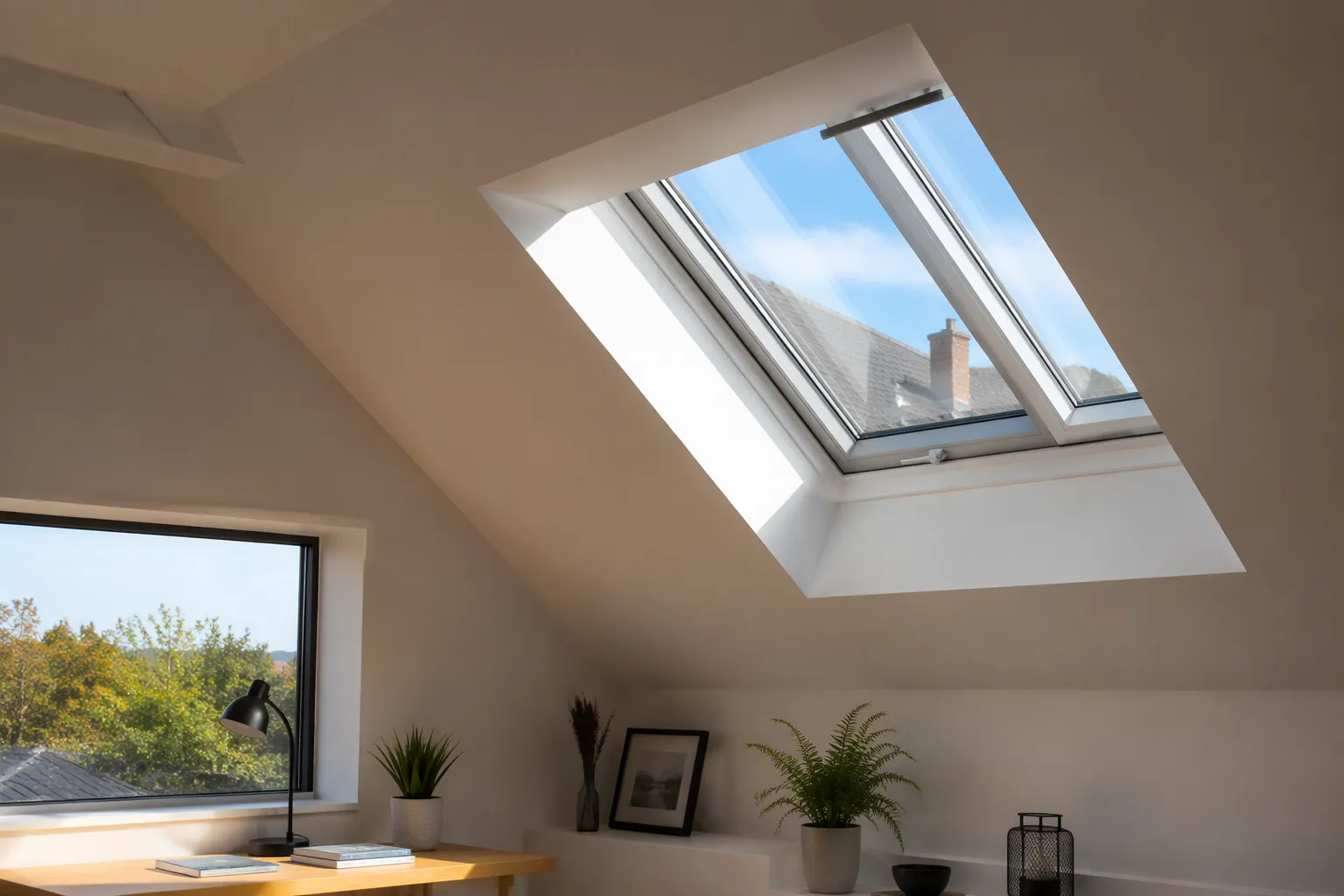
A well-built unit still underperforms when it sits in the wrong spot. Placement decides how much sky the glass sees and where the beam lands once it enters.
Orientation and Roof Slope
Direction and pitch work together. A skylight facing the equator collects the most sun over a year. In North America, that means a south-facing slope. East and west orientations trade steady midday brightness for strong morning or afternoon bursts. A north-facing unit delivers cool, even light with little direct sun.
Roof pitch changes the angle at which rays strike the glass. A steep roof tilts a skylight toward the horizon and favors low winter sun. A shallow roof points the unit toward the zenith and captures high summer sun. You can tune the pitch of a curb-mounted unit to match your latitude and your climate.
Height matters too. Placing skylights in high or centrally located areas maximizes natural light. A unit near the ridge catches an unobstructed view of the sky. A central position lets natural light reaches the room below through a short, wide shaft. Deep wells and offset shafts swallow daylight before it arrives.
Careful placement also manages heat. A south-facing unit gains the most winter warmth and the most summer heat. You can shift the unit slightly, add a shade, or choose a glazing that rejects solar gain. That balance protects energy efficiency without dimming the room.
Spreading Light Evenly
A single skylight throws a bright pool on the floor. Several smaller units spread the beam across the ceiling and walls. You get softer lighting and fewer harsh contrasts.
Walls and finishes do the rest. A light-colored ceiling bounces daylight deep into the interior. A matte wall scatters the beam instead of reflecting a hot spot. A skylight well with splayed sides pushes light outward as it descends.
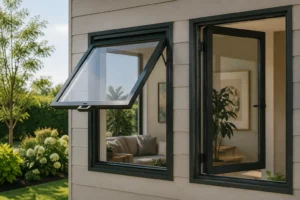
Operable skylight windows add control. You can vent rising heat on a warm day and keep the glass clear of condensation. Some models include blinds or diffusers that soften the beam at noon.
Harnessing natural light this way rewards planning. Walk the room at different hours and note where shadows fall. Mark the ceiling zones that face open sky. Then size and position each unit around those zones.
A reputable aluminum skylight windows manufacturer will review your roof plan and suggest angles. Many offer custom aluminum skylight windows sized to your framing and your latitude. That guidance turns a rough idea into a layout that works all year.
Durable Skylights, Lasting Daylight
A skylight only delivers steady brightness when it survives the elements. Frame strength and glass clarity decide how much daylight reaches your room after years of sun, rain, and temperature swings.
Weather Resistance
Water is the main threat to any unit set into a roof. A weak frame warps, seals fail, and moisture finds a path inside. Aluminum resists rust and holds its shape through freeze-thaw cycles. That stability keeps gaskets compressed and flashing tight against the roof deck.
ZEKIN aluminum skylights resist weather and keep glass clear over time. The brand builds frames that stand up to heavy rain, snow load, and strong wind without losing their seal. A reputable aluminum skylight windows manufacturer tests these units against real storm conditions, so you get performance you can trust rather than a promise on paper.
Good installation completes the job. Proper flashing sheds water away from the opening. A raised curb lifts the glass above standing water. You protect the skylight and the structure around it when both details are right.
Low-Maintenance Clarity
Dirt and film cut light transmission. A dusty pane can lose a noticeable share of its brightness, and the loss grows slowly enough that you may not notice. Regular cleaning restores full output.
Aluminum frames need little care. You wipe them down, and they keep their finish. The glass needs a simple wash a few times a year. Some coatings help rain sheet off and carry dust away.
Clean glazing protects long-term daylight performance. You keep the light you paid for, and you avoid the dimming that creeps in when maintenance slips. Durable frames and clear glass also support energy efficiency, because a bright room leans less on electric lighting during the day.
Inspect the seals once a year. Check the flashing after major storms. These small habits keep your skylights working for decades.
Glazing Options for Balanced Daylight
Glass choice decides how much daylight you keep and how much heat you turn away. The right glazing lets a skylight stay bright without turning the room into a greenhouse.
Low-E Coatings and Tints
A low-e coating reflects part of the sun’s heat while letting visible daylight pass. You keep a bright room and shed much of the solar gain that drives cooling costs. That balance supports energy efficiency in summer and winter alike.
Tints work differently. A tinted pane lowers overall transmission, so the skylight delivers softer brightness and less glare. Bronze and gray tints suit west-facing skylights that catch strong afternoon sun. Clear glass fits north-facing units, where you want every lumen. Custom aluminum skylight windows let you match the coating and tint to each roof orientation, so one unit does not carry the settings meant for another.
Controlling Glare on a Skylight
Glare comes from direct sun striking the glass at a steep angle. A diffusing pane scatters that beam and spreads light across the ceiling. The result feels even, and natural light reaches the room below without a hot spot on the floor.
You have several tools here. Operable skylight windows accept blinds and shades that you adjust by season. Operable skylights also vent rising heat, which keeps the glass clearer. Some units ship with a factory diffuser. Others pair with motorized shades for hard-to-reach windows.
Think about the room’s use before you choose. A home office needs low glare for screens. A stairwell tolerates a brighter beam. A manufacturer can advise on coatings, tints, and diffusers for each skylight. Ask about energy efficiency ratings too, and confirm the glazing meets your local code. A few minutes of planning now keeps your skylights comfortable for years.
Cost and Code Considerations
Upfront Cost vs. Daylight Savings
A skylight costs more than a standard window of the same size. You pay for the unit, the framing changes, and the flashing work. That upfront number can give you pause.
Look at the long view. Professional skylight installation improves natural light, lowers energy bills, and boosts home value. You cut daytime electric use in the rooms below. You also gain a feature that buyers notice at resale.
The benefits of skylights compound over time. A bright kitchen or hallway needs fewer fixtures and fewer bulbs replaced. Your cooling load depends on glazing choice, so a coated unit protects summer savings. Add up the annual figures, and the payback period shortens.
Meeting Energy Codes
Local energy codes set limits on how much heat a skylight can gain or lose. These rules shape your glazing choice. They do not force you to give up brightness.
A code may require a low-e coating or a specific U-factor for units in your climate zone. You meet the rule with a coated pane and keep most visible daylight. A tinted or diffusing layer can satisfy a solar gain limit on a west-facing roof. Clear glass still works on a north slope, where codes rarely push back.
Ask a custom aluminum skylight windows supplier to match each unit to your climate zone. That step protects the energy efficiency of a building without dimming the room. It also supports natural light and improve energy efficiency in the same design.
Plan the budget and the code review together. Confirm the glazing spec before you order. Check the flashing detail with your installer. A little homework now keeps your skylights bright, compliant, and cost-effective for decades.
Aluminum skylight windows improve natural lighting through slim, strong frames, larger glazing, smart placement, durable construction, and smart glazing choices. Each factor builds on the others.
You now know how frames, placement, durability, glazing, and cost and codes shape the result. ZEKIN aluminum skylights combine these benefits in one system. Assess your own space next. Note the dark zones, check the roof orientation, and confirm your code limits. Then talk with a professional. A careful plan turns a dim room into a bright one, and your skylights will keep delivering that light and energy efficiency for years.
FAQ
Do skylights work on cloudy days?
Yes. A skylight captures diffuse sky light even under overcast conditions. You still gain brightness in a dim hallway or bathroom. Output drops compared with a sunny day, yet the unit keeps working without any fixtures.
How many skylights does a room need?
You size the count to the space. Several smaller skylights spread light more evenly than one large unit. Walk the room at different hours and mark the dark zones. Then place each unit over those zones.
Can I install a skylight on a flat roof?
You can. A flat roof needs a raised curb and careful flashing to shed water. Slope the unit slightly toward the drain path. Confirm the roof structure carries the load before you cut the opening.
What size skylight fits my ceiling?
Measure the rough opening between framing members first. Standard sizes cover many homes. For odd spaces, order custom aluminum skylight windows sized to your framing. A supplier can confirm the fit before you order.
Do skylights raise cooling costs?
Not with the right glazing. A low-e coating rejects solar heat and keeps visible daylight. Shade or vent the unit in summer. Careful placement on the roof limits excess gain while preserving brightness.