What Are Aluminum Skylight Windows and How Do They Work?
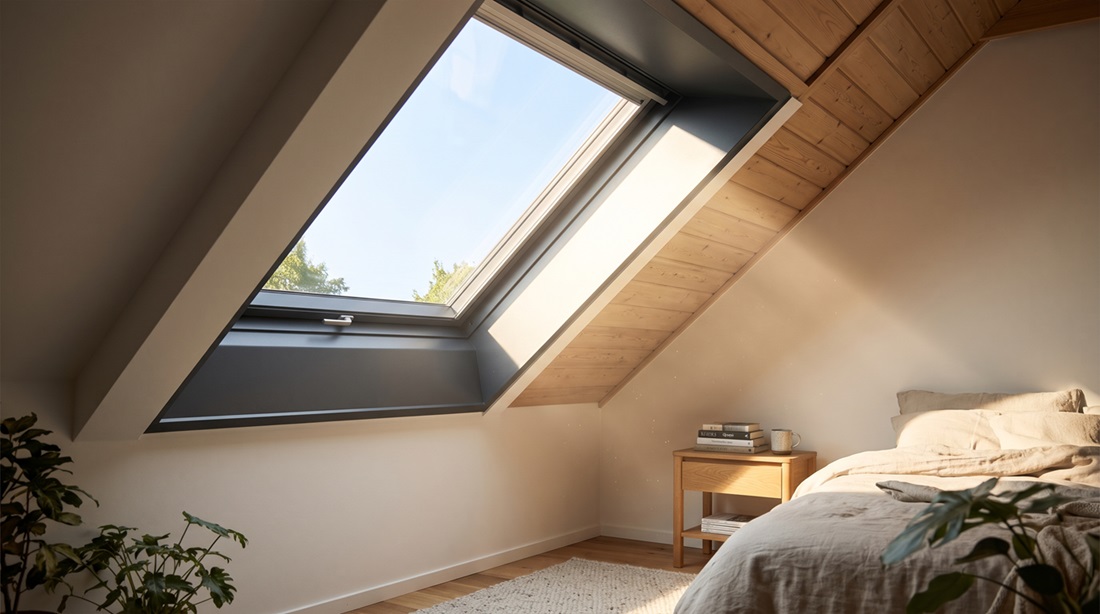
Aluminum skylight windows are roof-mounted windows with aluminum frames. These frames resist weather and bring natural light into a home from above.
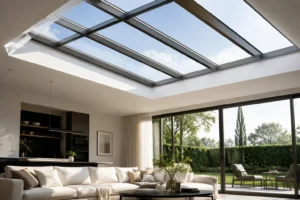
You will find skylight windows in many shapes and sizes. Each skylight works by framing a glazed opening in the roof, so daylight reaches rooms that lack a standard window. Some skylights open for fresh air, and others stay sealed for a clean view of the sky.
This post explains how these units work, the main types, their benefits, and the points to check before you buy.
Key Takeaways
- Aluminum skylight windows are roof windows with strong aluminum frames that resist weather and bring natural light into your home.
- You can choose fixed skylights for steady daylight or venting skylights for fresh air and ventilation.
- Proper installation by a professional roofer prevents leaks and ensures your skylight works well for years.
- Clean the glass and check seals regularly to keep your skylight bright and leak-free.
- Thermally broken aluminum frames offer good energy efficiency and can last over 50 years with minimal care.
How Aluminum Skylight Windows Work
Aluminum Frames and Glazing
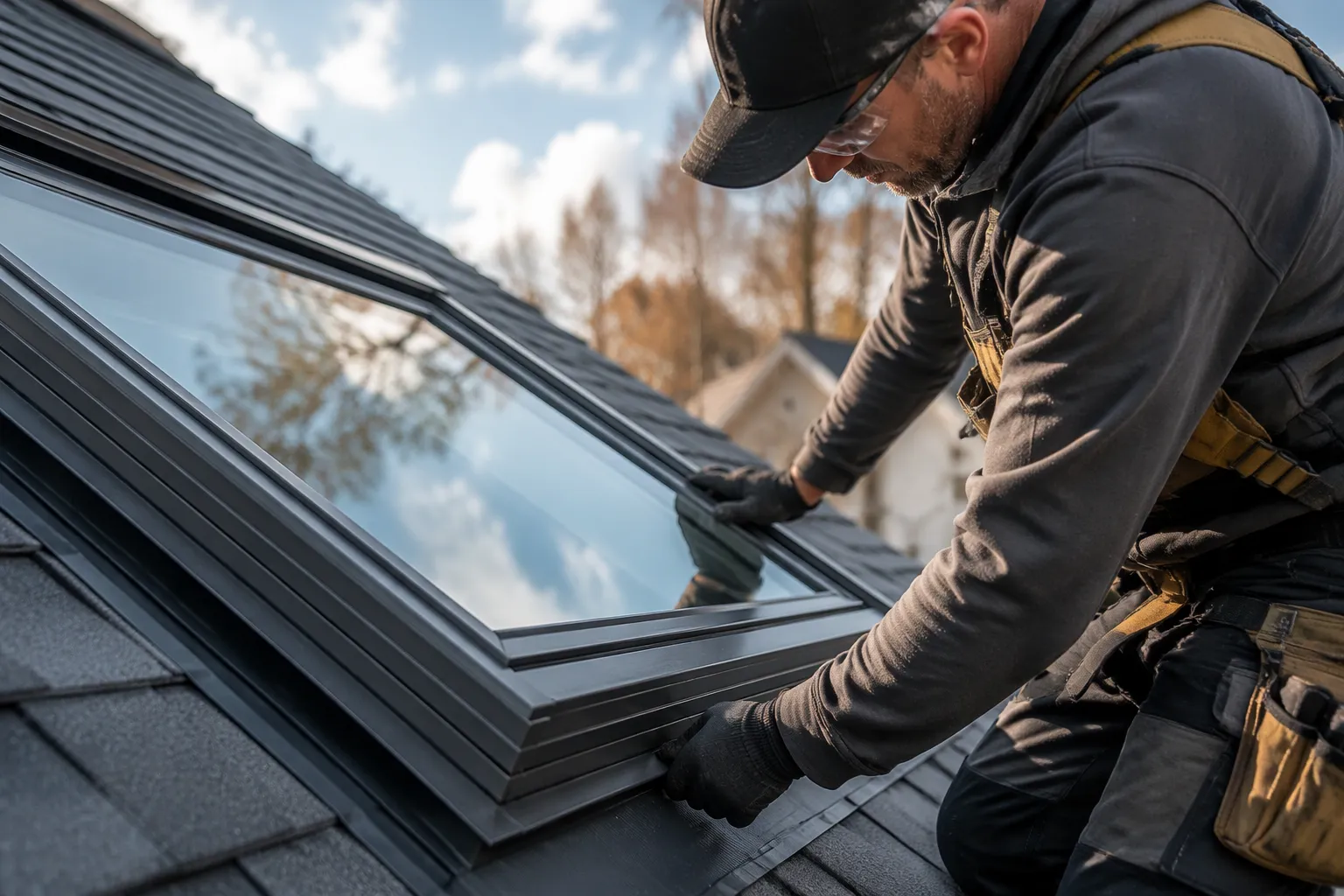
Manufacturers build the frame of most units from extruded aluminum. This metal holds its shape well outdoors and resists rust. Some budget models use galvanized steel instead. Either way, a roofing professional must connect the unit to the roof structure. The frame carries the weight of the glass, so the connection points need proper flashing and sealing.
Glazing choices shape performance more than any other part. Columbia Skylights lists several options, and the table below shows how each one balances protection and light.
| Glazing Option | UV Blocked | Light Transmitted | Solar Heat Gain |
|---|---|---|---|
| Double Glazed LoE3 366 Clear | 95% | 64% | 0.28 |
| Double Glazed LoE3 366 Tempered/Laminated | 99% | 64% | 0.28 |
| Double Glazed LoE3 366 Reflective Bronze/Grey | 95% | 17% | 0.15 |
| Triple Glazed LoE3 366 Temp/Temp/Temp | 95% | 48% | 0.24 |
Columbia Skylights also publishes a chart that compares UV blocked, light transmitted, and solar heat gain across these options.
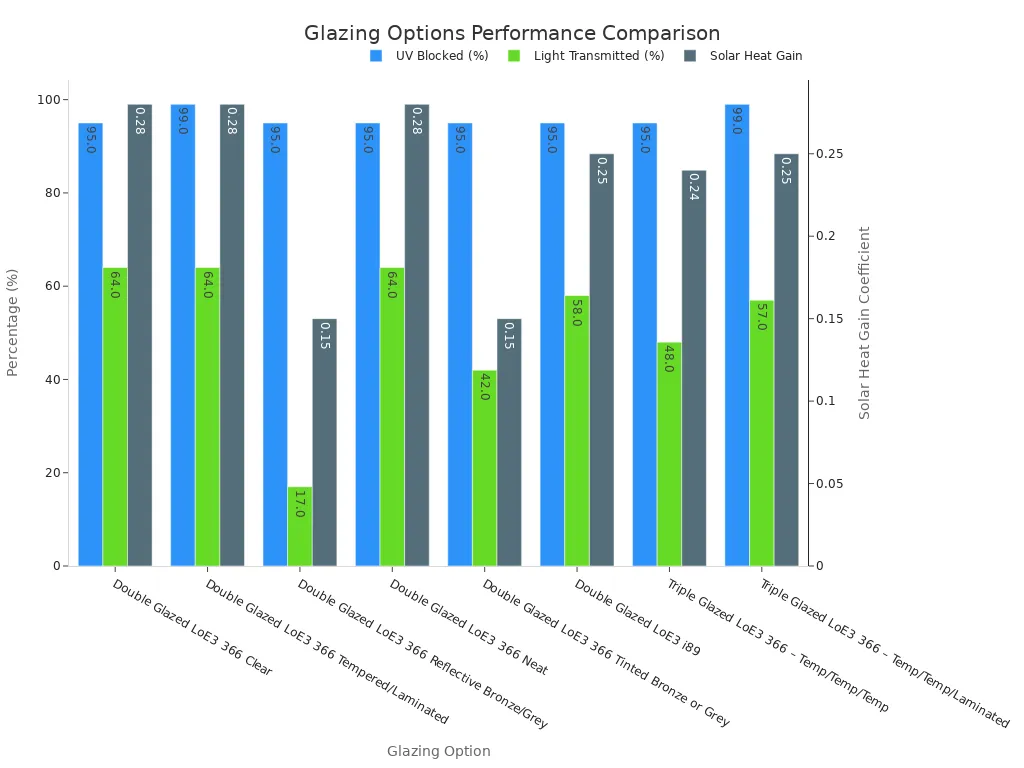
Three numbers matter most. U-value measures heat loss through the glass, and lower is better. Solar heat gain coefficient runs from 0 to 1, and a lower value means less solar heat enters your home. Visible transmittance also runs from 0 to 1, and a higher value means more light passes through. Columbia Skylights notes that LoE3 coatings let useful light in while filtering solar heat.
While aluminum is lightweight and thermally broken for energy performance, steel is used for longer spans and heavier loads.
Skylight vs. Roof Window
Readers often confuse these two products. A skylight sits overhead, often out of reach, and its main job is daylighting. A roof window installs within arm’s reach on a pitched roof and opens like a normal window. Norman USA explains that roof windows must sit in plane with the surrounding roof, typically at a minimum 15° pitch, and need flashing for weatherproofing. A venting skylight opens slightly to release air, yet it lacks the pivoting mechanism of a roof window. If you can reach out and open it, it is a roof window. If it sits high above you, it is a venting skylight. This distinction matters for egress codes and for how you will operate the unit. A control rod or electric operator can open a high skylight, so check the controls before you order. Both products deliver toplighting, and both depend on careful installation for a leak-free result.
Types of Aluminum Skylight Windows
Fixed, Venting, and Center-Pivot
You can group aluminum skylight windows by how they operate. A fixed unit skylight never opens. It seals the glass in place and delivers steady daylighting with the fewest moving parts. Choose this type when you want pure light and no ventilation.
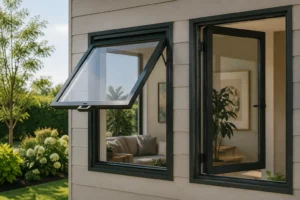
A venting skylight opens along a hinge to release warm air. Electric motors or a control rod handle the motion when the unit sits out of reach. A center-pivot model turns on a middle axis, so both sides of the glass become reachable for cleaning. This design suits a roof window you plan to open often. Each style changes how much natural light and fresh air you get, so match the type to the room below.
Dome and Flat-Glass Options
Dome skylights use a curved acrylic or polycarbonate cover. The curve sheds rain and debris and spreads light across a wide area. Flat-glass units sit flush with the roof line and offer a cleaner look. Many homeowners prefer flat glass for its sharp view of the sky.
Both shapes work with aluminum frames. A roof-mounted fixed unit skylight in flat glass blends into the roofline, while a dome version stands slightly proud. Think about snow, leaves, and sun angle before you pick. Dome shapes resist buildup well, and flat glass gives crisp toplighting. Your installer can confirm which profile fits your roof pitch and flashing details.
Benefits of Aluminum Skylight Windows
Natural Lighting and Ventilation
A skylight faces the sky directly, so it captures sunlight that wall windows only receive secondhand. Conservatory Craftsmen notes that wall windows usually get reflected light from buildings, trees, and fences. A roof opening skips that detour. This direct path explains why skylights brighten dark bathrooms, kitchens, and hallways so effectively.
Ventilation adds a second gain. An operable skylight creates a natural fan effect and pulls heat out of the house, according to AT6DB. Open a low window on the cool side and crack the skylight, and air moves through the home on its own. You get fresh air without running a fan. Fixed units still deliver steady natural lighting for spaces where airflow matters less.
Daylight and Energy Performance
Daylighting cuts your electric bill. SunSquares Skylights explains that abundant natural light reduces the need to switch on lights during the day. The same source notes that a thermally broken frame separates the interior and exterior aluminum with a non-conductive insulator. That barrier stops outdoor heat from reaching your rooms, which matters in hot climates. Aluminum conducts heat readily, so thermal break design deserves careful attention at purchase.
Performance metrics guide your choice. U-factor measures heat flow through the whole unit, and typical residential values run from 0.25 to 1.25, per Verns Glass. Solar heat gain coefficient runs from 0 to 1, and hot climates call for a low value such as 0.30 or less, SunSquares advises. Visible transmittance also runs from 0 to 1, and higher values mean more daylight. Aim for strong natural light transmission with a low solar gain number in sunny regions.
ZEKIN’s aluminum skylight window systems show how durable, low-maintenance options support long-term energy efficiency. Powder-coated, thermally broken aluminum weathers exposure well, and insulated Low-E glass reflects excess heat. That combination supports daylighting goals and comfort at once.
Skylight Installation and Maintenance
Planning and Professional Installation
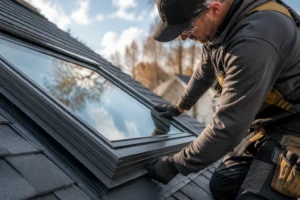
Proper skylight installation starts with a qualified roofing professional. This expert connects the frame to the roof structure and builds watertight flashing around every edge. Poor flashing lets water seep under shingles, and that mistake raises the risk of leaks for years. A pro also checks the roof pitch and confirms the opening fits the frame.
Plan each skylight installation before anyone cuts the roof deck. ZEKIN publishes skylight installation guidance for every system, and that guidance covers framing, sealing, and trim details. Follow it during installation, and your unit will sit square and seal tight. Ask your installer to walk you through the full installation sequence. A second skylight installation on a steep roof takes longer, so budget extra time. Rushed installation invites trouble. One more skylight installation tip: test the unit before you close up the ceiling. Careful work protects the frame, the glass, and your ceiling below.
Cleaning, Seals, and Long-Term Care
Clean the glass a few times a year to keep daylighting strong. Dust and pollen block light, and a simple wash restores full brightness. Check the seals around the frame during each cleaning. Cracked seals let moisture in, so replace them early. A soft brush reaches corners without scratching the glass.
Long-term care keeps aluminum roof windows working for decades. Inspect the flashing after heavy storms and clear debris from the roof surface. ZEKIN recommends periodic checks of seals and hardware as part of routine care. These habits protect your investment and preserve natural light in every room. Two skylights on a sunny wall need the same attention as one large unit. Small skylights still need the same care. Direct sunlight tests seals hardest, so inspect those units first. Strong daylighting and steady care reward you with years of comfort. Soft light fills the room, and daylight reaches deep into the space.
Aluminum vs. Other Frame Materials
Performance and Application Fit
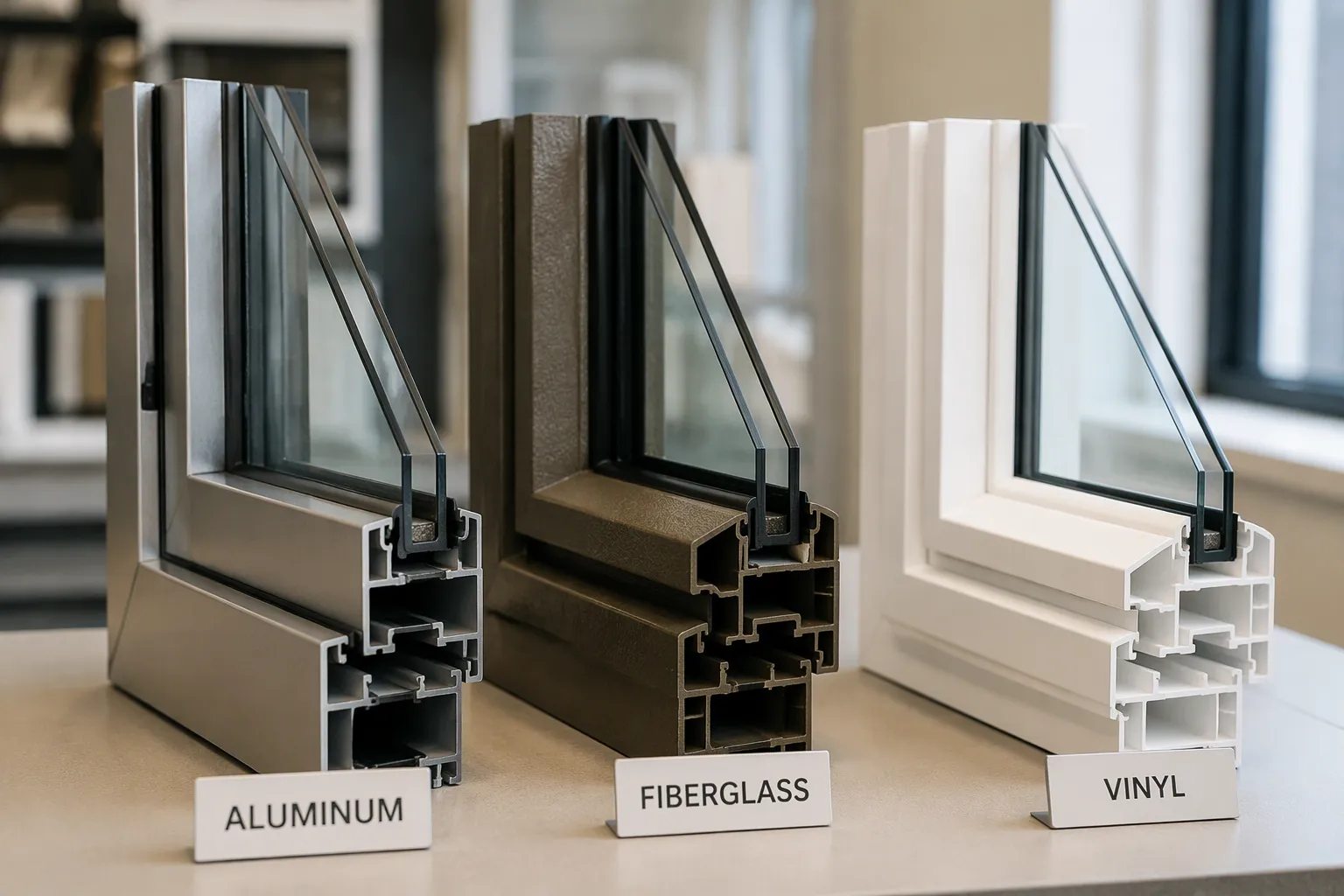
Each frame material suits a different job. Hotian Windows reports that aluminum without thermal breaks can exceed a U-factor of 1.0, while thermally broken aluminum lands between 0.40 and 0.60. Fiberglass reaches 0.20 to 0.35. Vinyl delivers strong inherent insulation, and Window Gurus puts its U-factor near 0.25. Wood insulates well by nature, yet it needs moisture protection. Thermally broken aluminum closes much of the gap for a skylight in a mixed climate.
Durability favors aluminum in most settings. Hotian Windows notes that aluminum will not rot, warp, or burn, though it can corrode in coastal air or acid rain. Window Gurus credits aluminum with a 50+ year lifespan and high strength for impact zones. Fiberglass makers tout 40+ year lifespans, though limited use leaves that claim unverified. Wood demands more upkeep, and vinyl resists cracks for 30 to 40 years. For large spans and slim sightlines, aluminum wins. Window Gurus recommends it for spans over 8 feet and modern designs. Vinyl fits standard residential work and cold regions. Fiberglass expands at nearly the glass rate, which reduces seal stress.
| Attribute | Aluminum | Fiberglass | Vinyl |
|---|---|---|---|
| U-factor | 0.40–0.60 with thermal breaks | 0.20–0.35 | About 0.25 |
| Cost per window | $75–$400 | $500–$1,500 | $300–$800 |
| Maintenance | Minimal | Minimal | Minimal |
Cost and Compliance
Budget shapes the choice. Hotian Windows lists aluminum at $75 to $400 per window, with basic versions at $75 to $150 and premium thermally broken units at $300 to $400. Window Gurus quotes vinyl at $300 to $800 and aluminum at $500 to $1,200. Fiberglass runs $500 to $1,500. Thermal breaks add cost, yet they buy comfort. Window Gurus estimates a 40 to 60 percent premium for thermal-break aluminum over standard aluminum.
Compliance rests on whole-unit ratings, not frame alone. NRCan evaluates fenestration with U-factor, SHGC, Energy Rating, and visible transmittance, and it defines U-factor for the whole product. Compare a window’s Uw to another window’s Uw, never a frame’s Uf to a window’s Uw. Check local code targets for your climate zone before you order. A fixed unit skylight with certified glazing meets most daylighting rules with ease.
Aluminum skylight windows are roof-mounted units with metal frames that hold glazing above a room. They work by framing an opening in the roof, so daylighting reaches spaces below. You can pick fixed, venting, or center-pivot styles in dome or flat glass. Each one boosts natural light and airflow, and each rewards careful skylight installation with sound flashing and regular seal checks.
Match the unit to your home and your needs. Compare glazing values, frame options, and controls before you order. Then explore ZEKIN‘s aluminum skylight windows and aluminum roof skylight windows for durable, low-maintenance daylight. A good skylight installation protects that light for years, and steady care keeps every window bright.
FAQ
Do Aluminum Skylight Windows Leak?
Leaks usually trace to flashing, not the frame. The glass rarely causes trouble. Proper installation starts with a qualified roofing pro who seals every edge. Test the unit before you close the ceiling, and check the seals each year.
How Much Daylight Does a Skylight Add?
A skylight faces the sky, so daylighting outperforms wall windows. Strong daylighting cuts your electric light use. Higher visible transmittance means more daylight reaches the room. Match daylighting goals with a low solar heat gain coefficient in sunny climates.
Can You Open a Skylight for Air?
Venting and center-pivot skylights open; fixed units stay sealed. Electric operators reach high units you cannot touch. Operable skylights pull heat out of a room and draw fresh air through the home.
What Care Does a Skylight Need?
Wash the glass a few times a year. Inspect seals and flashing after storms, and clear debris from the roof. Careful skylight installation protects that work, and steady care keeps daylighting strong for decades.
Are Aluminium Skylight Windows Worth It?
Thermally broken aluminum lasts 50+ years with minimal care, and daylighting stays bright for decades. Compare U-factor and solar heat gain before you order. Aluminium roof skylight windows match modern rooflines well, and professional installation pays off.