What Types of Aluminum Skylight Windows Are Available?
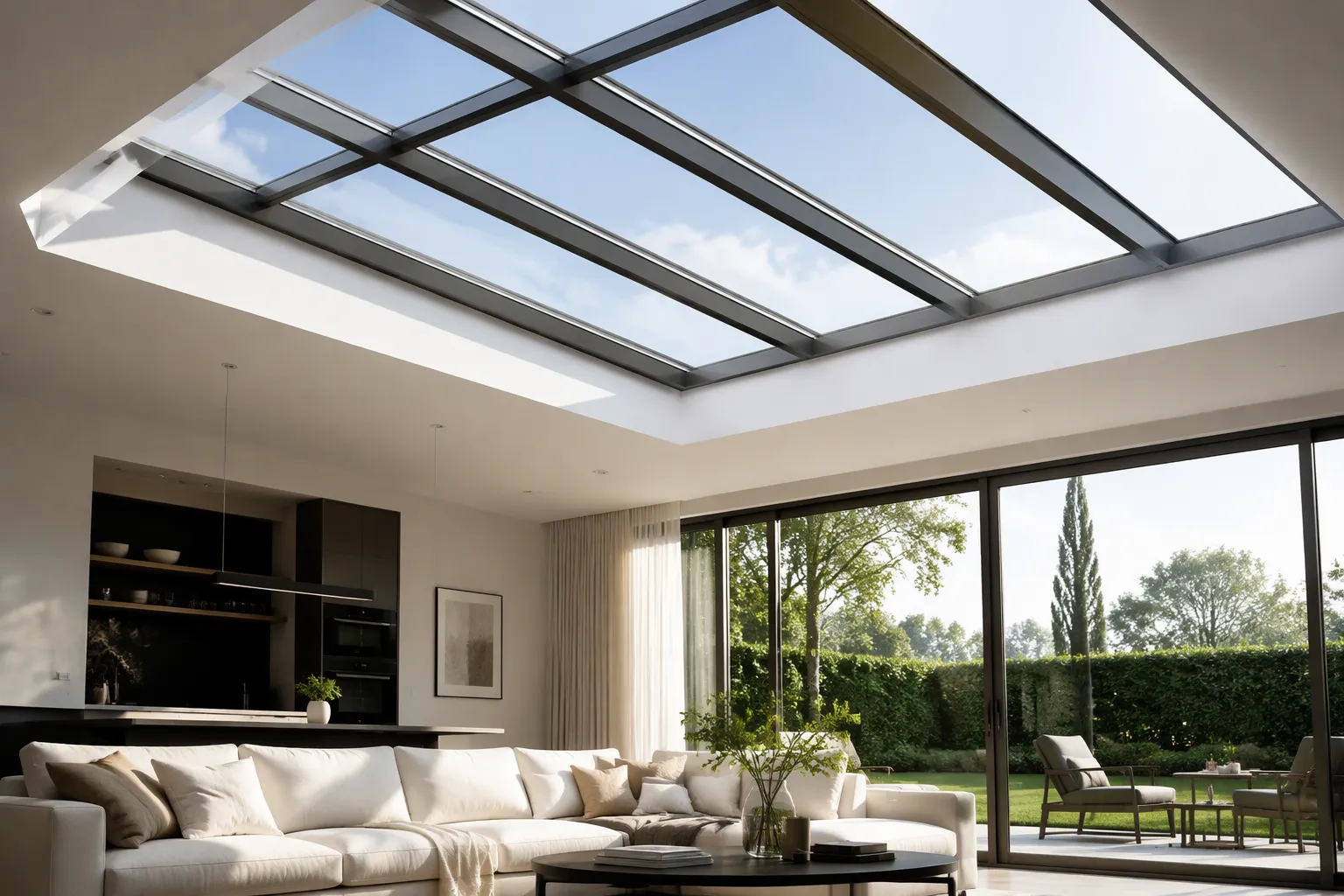
You can choose among four main types of aluminum skylight windows: fixed, operable (also called ventilating), tubular, and custom. Each type differs in ventilation, waterproofing, energy performance, code compliance, and cost. ZEKIN supplies all four, so you can compare them on equal terms. Fixed units deliver daylight only. Operable skylight windows open for fresh air and passive cooling. Tubular models push light through a reflective tube into small rooms. Custom units match unusual roof shapes and pitches. This guide moves from the most common type to the most specialized one and offers practical fit guidance at every step.
Key Takeaways
- Fixed skylights provide daylight only and cost the least upfront.
- Operable skylights open for fresh air and can cut cooling costs by 30–50%.
- Tubular skylights pipe natural light into small interior rooms through a reflective tube.
- Custom skylights match unusual roof shapes and pitches for architectural projects.
- Match the skylight type to your needs: daylight, ventilation, or custom fit.
Fixed Aluminum Skylight Windows
Fixed Unit Skylight Performance
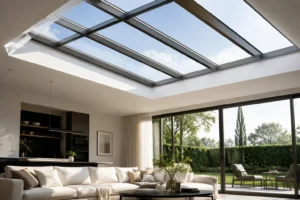
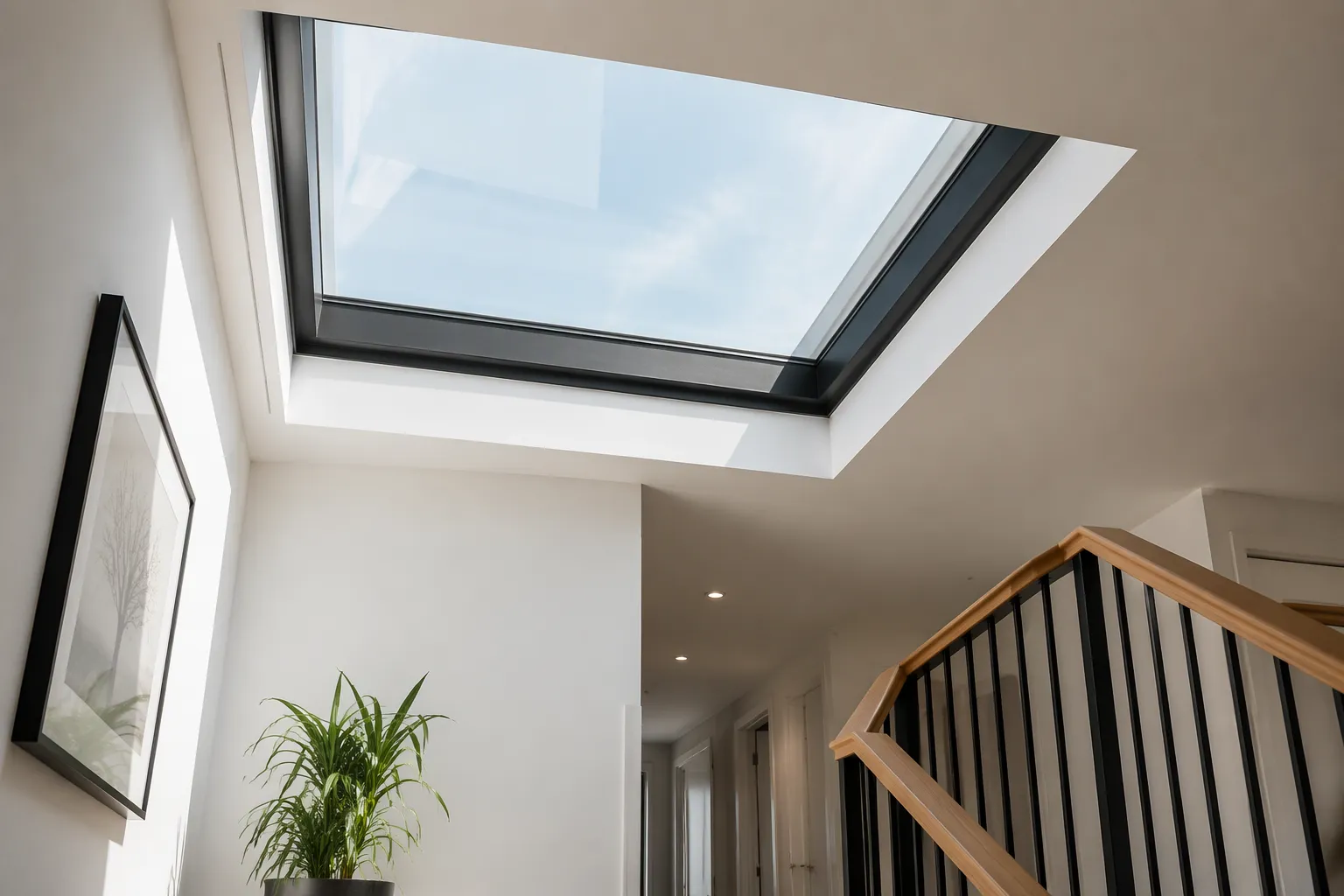
A fixed unit skylight does not open. It delivers daylight only, and it is the most common and cost-effective choice among aluminum skylight windows. A roof-mounted fixed unit skylight depends on its frame for comfort. One solid piece of aluminum forms a direct thermal bridge from the cold exterior to the warm interior, as SunSquares explains. Heat escapes in winter and enters in summer. A thermally broken design uses two pieces separated by a reinforced polymer or resin. That break stops energy flow, improves the U-factor, and keeps the interior surface above the dew point, so condensation becomes far less likely. SunSquares states the material case plainly:
The Reality: When used in a thermally broken design, aluminum is arguably the superior material for a high-performance skylight. Its primary advantage is immense structural strength.
The U.S. Department of Energy advises a thermal break in metal frames to cut heat flow. Profile chambers, corner joints, gaskets, and the glass edge also shape the result. This fixed design still ranks as the simplest option to specify.
ZEKIN’s fixed skylight line comes in standard colors, mill aluminum, and anodized finishes. You can request laminated Low-E argon glass and other glazing options, then add a skylight window covering for light control. Choose cellular shades for insulation, pleated shades for a slim profile, or other blinds and shades. Cellular shades also suit bedrooms. These products let you cover skylight windows and adjust the glazing choice without replacing the unit.
Best Fits and Code Compliance
A fixed skylight suits hallways, stairwells, and rooms where you want light but no ventilation. Energy codes treat glass-glazed skylight assemblies differently from plastic skylights. Curb-mounted glass must meet a U-factor of 0.58 and a solar heat gain coefficient of 0.25 under Standards Tables 140.3-B and 140.3-C, as published by Energy Code Ace. Deck-mounted glass must reach 0.46. The U-factor covers the glazing material, the frame, and edge-of-glass conditions, not the roof curb. If you cannot confirm how a unit was rated, Energy Code Ace says to assume the curb-mounted requirement applies. Fixed unit skylights cost the least upfront of the four types, and unit skylights with a curb remain the standard mounting choice.
Operable Skylight Windows
Operable Skylight Ventilation
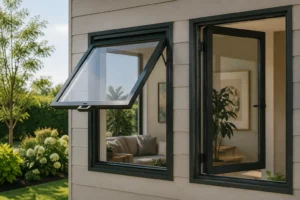
An operable skylight opens for fresh air and passive cooling. You may also see these units sold as ventilating skylights or roof windows. The mechanism is simple. Warm air rises and exits through the open sash, and cooler air enters below. Firgelli Automations reports that this passive strategy can cut cooling costs by 30–50% in suitable climates. A roof window on a stairwell pairs well with a lower opening for the same reason.
ZEKIN’s operable models accept smart accessories for automated operation. A temperature sensor can trigger the unit when outdoor air drops about 5 degrees below indoor air. Scheduled routines, geofencing, voice control through Amazon Alexa or Google Assistant, and rain-sensor interlocks with your HVAC system all work with motorized openers. Actuator choice matters on a heavy unit. Firgelli Automations notes that a large skylight opening upward may need 500–1,000 pounds of force, so specify an actuator rated at least 50% above the measured load. Choose an IP65 rating or better for weather exposure, and confirm a manual override or battery backup that holds 20–50 cycles after power loss.
Best Fits and Code Compliance
Kitchens, bathrooms, and stairwells suit an operable unit best. The NYC Department of Buildings allows natural ventilation through skylights in kitchenettes under 80 square feet and in bathrooms. Stairways in buildings over two stories need a vented skylight with at least 20 square feet of open area and a ventilator with 1 square foot of open area. Confirm egress rules with your local authority where a roof window serves a habitable room.
Expect a higher price than a fixed unit. Fox Roofing and Guild TX both attribute the gap to operable frames, motors, controls, rain sensors, and tougher waterproofing. Budget for the hardware, not just the glazing. If you want light control, add cellular shades for insulation or pleated shades for a low profile; these shades also work when covering skylights in bedrooms. Match the frame finish to your aluminum skylight windows for a clean look.
Tubular Skylight Windows
Tubular Skylight Performance
A tubular skylight captures sunlight at a small roof dome and pipes it down a reflective tube to a ceiling diffuser. These tubular daylighting devices suit interior rooms where a full skylight will not fit. Hammond Lumber explains that the tube can angle and extend from 12 feet up to 24 feet to reach a lower level. Depending on the reflectivity of the chase and the length of the run, 95 to 98 percent of natural light reaches the room below. The diffuser spreads that light evenly and cuts damaging UV rays. Solar Lights and More notes a condensation release system that prevents moisture buildup, plus built-in UV protection that stops fading on clothing, furniture, and rugs. A vent kit adds moisture control for bathrooms and laundry rooms.
Best Fits and Code Compliance
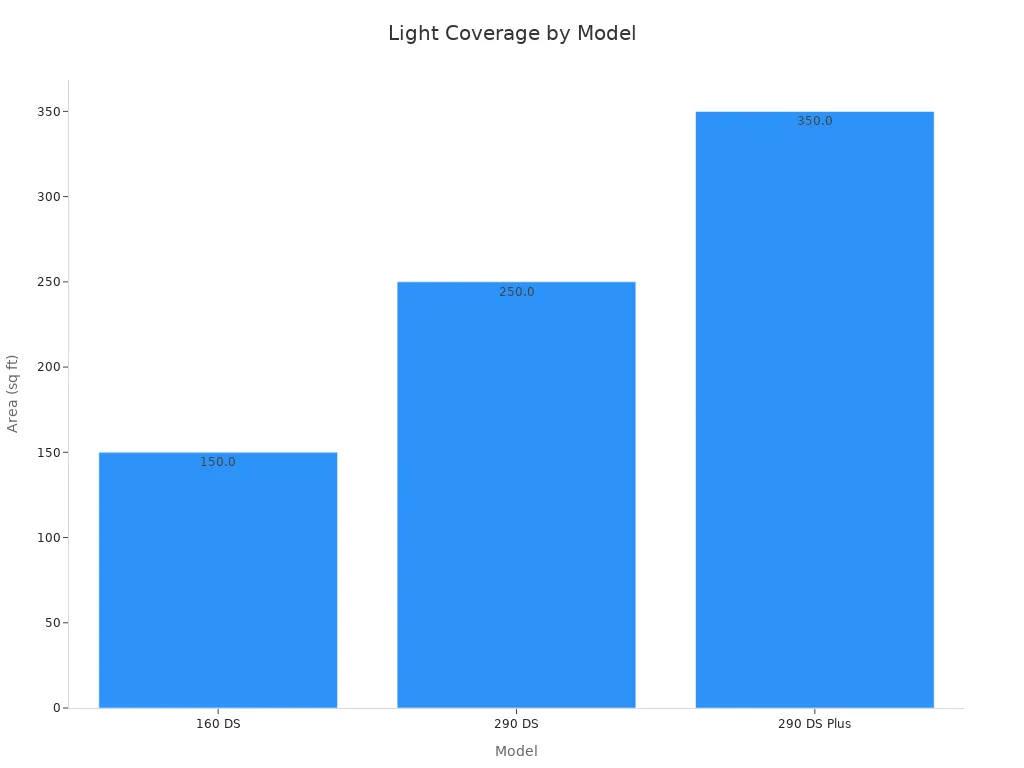
Closets, hallways, and bathrooms rank as the classic fits. IKO lists these small spaces as ideal, and tubular skylights slip between wiring or venting that blocks a standard unit. Solatube publishes coverage guidance by model:
| Model | Recommended Rooms | Light Coverage Area | Potential Tube Length |
|---|---|---|---|
| 160 DS Round & Square | Bathrooms, Laundry Rooms, Closets, Hallways | 0-150 ft.2 | 20 ft. |
| 290 DS Round & Square | Kitchens, Family Rooms, Master Bathrooms, Large Entryways | 150-250 ft.2 | 30 ft. |
| 290 DS Plus Round | Large Kitchens, Open Family Rooms, Oversized Spaces | 250-350 ft.2 | 30 ft. |
Roof penetration stays small, and Solatube offers leak-proof flashing for shingle, tile, metal, slate, and flat roofs. Guild TX puts tubular skylights at 1,400–1,600 dollars against 3,500–4,000 for a traditional skylight, with less framing and finishing work. The Roofing Brief reports a 2-to-4-hour install for a single tube. Add cellular shades or pleated shades only where the diffuser accepts them; most tubular units rely on the diffuser alone for light control, so confirm shade compatibility before you buy.
Custom Options for Skylights
Custom Sizing and Framing
Custom aluminum skylight windows let you set the dimensions, frame design, and glass to match the building. ZEKIN builds these units to order for unusual roof shapes and pitches. The range of options for skylights grows quickly at this level:
- VELUX metal-framed systems offer a broad range of quality glass glazing and versatile design possibilities for a fully customized configuration.
- SkyView makes every unit to order, tailored to exact dimensions for a seamless fit. Its signature clear glass uses high-performance LoE tempered insulated glass with a Neat finish, rated at a U-value of .20 and an SHGC of .17.
- Solar Innovations reports no standard sizes at all. Single-slope units fit any roof pitch, pyramid shapes take custom pitches, and barrel vaults come in curved or segmented radius designs.
- Columbia offers custom sizing on all models and can match the frame to any roof material color. It recommends glass for a sloped roof and acrylic or polycarbonate for a flat roof, with a site-built sloped curb at a minimum 2:12 pitch when you want glass on a flat roof.
You can also add cellular shades for insulation or pleated shades for a slim profile. Confirm that your chosen shades fit a non-standard opening before you order.
Best Fits and Code Compliance
Custom skylights suit architectural projects and non-standard roofs. OpenAire lists retail flagships, commercial atriums, museums, and academic buildings among its best fits, and it engineered a 43′4″ square fixed glass skylight for the Restoration Hardware flagship in Chicago. Spans run from 20 ft to 200 ft.
Engineered systems face stricter review. SunSquares notes that the International Building Code requires any penetration through a fire-resistance-rated roof to preserve the rating, and IBC Section 712 covers protected roof assemblies. Fire-rated assemblies are tested as one unit under ASTM E119 and UL 263, with ratings such as EI30 or EI60. Expect the highest cost of the four types, quoted per project.
Fixed units give you daylight at the lowest upfront cost. Operable skylight windows add fresh air and passive cooling. Tubular models move light into small interior rooms through a reflective tube. Custom units match unusual roof shapes and pitches.
Match the type to your needs. Choose fixed or tubular for daylight only, and operable for ventilation. Check your roof structure, budget, and local code before you order. Add cellular shades or room-darkening shades where you want light control, and confirm that your chosen shades fit the opening.
ZEKIN supplies all four types, so you can compare them side by side. Confirm code compliance and request a project-specific quote before you commit.
FAQ
Do fixed skylights meet energy codes?
Yes, when the assembly is rated correctly. Curb-mounted glass must reach a U-factor of 0.58 and a solar heat gain coefficient of 0.25. Deck-mounted glass must reach 0.46. The rating covers glazing, frame, and edge-of-glass conditions. Assume the curb-mounted requirement applies when you cannot confirm the rating.
How much force does a motorized skylight need?
Measure the load first. A large sash that opens upward may need 500–1,000 pounds of force. Specify an actuator rated at least 50% above that measured load. Choose an IP65 rating or better for weather exposure, and confirm a manual override or battery backup.
Can a tubular unit light a room two floors down?
Often, yes. The reflective tube can angle and extend from 12 feet up to 24 feet to reach a lower level. Between 95 and 98 percent of natural light reaches the room below, depending on tube reflectivity and run length. A diffuser spreads that light evenly.
What roof pitch do custom glass skylights require?
Glass suits a sloped roof. On a flat roof, plan a site-built sloped curb at a minimum 2:12 pitch. Acrylic or polycarbonate works better for flat installations. Single-slope units fit any roof pitch, and pyramid or barrel vault shapes take custom pitches.
Do I need fire-rated assemblies for a custom unit?
Sometimes. The International Building Code requires any penetration through a fire-resistance-rated roof to preserve the rating. IBC Section 712 covers protected roof assemblies. Tested assemblies carry ratings such as EI30 or EI60 under ASTM E119 and UL 263. Confirm the requirement with your local authority before you order.