Installing a sliding glass door is an important investment for residential, commercial, and architectural projects. The final cost depends on multiple factors, including door size, material selection, glass configuration, installation complexity, and project requirements. For professional buyers such as contractors, architects, and developers, understanding these cost factors is essential when selecting a reliable supplier and planning a long-term building solution.
As a professional aluminum window and door manufacturer, we at Zekin work with global customers to provide customized door and window solutions for different applications. Our experience in aluminum door manufacturing helps project teams evaluate not only the initial installation cost but also the durability, energy performance, and overall value of the selected system.
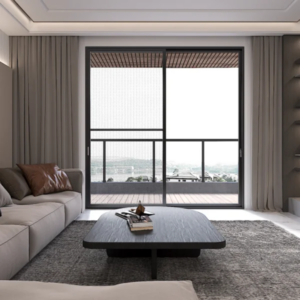
Key Factors That Affect Sliding Glass Door Installation Cost
The cost of installing a sliding glass door is not determined only by the door itself. Several elements influence the overall budget of a project.
Door Size and Design Configuration
The size of a sliding glass door directly affects material usage and installation requirements. Standard-sized doors are usually easier to manufacture and install, while large openings or customized designs require more precise engineering.
For commercial buildings, villas, hotels, and modern residential projects, larger sliding door systems are often selected to create wider openings and maximize natural light. Zekin sliding aluminum doors support multiple configurations, including two-track and multi-panel options, allowing designers to select solutions based on project requirements.
Aluminum Frame and Glass Selection
The frame material and glass type are two major cost considerations. Aluminum is widely used in modern sliding doors because it offers a strong structure, corrosion resistance, and design flexibility.
Glass selection also affects the final price. Different projects may require different glazing solutions depending on climate conditions, energy requirements, and building standards. Zekin sliding doors are designed with aluminum frames and double clear tempered glass options to provide reliable performance for residential and commercial applications. The standard product specification includes a 2.3mm frame thickness, sash width range of 500mm–2000mm, sash height range of 1000mm–3000mm, and 5mm+27A+5mm double clear tempered glass.
Choosing the Right Sliding Door Supplier for Project Success
For experienced buyers, selecting a sliding door supplier is not only about product pricing. A qualified supplier should provide consistent manufacturing quality, technical support, customization capability, and reliable delivery.
When evaluating suppliers, project teams should consider:
- Manufacturing experience and production capability
- Quality control procedures
- Product customization options
- Technical documentation and specifications
- Support during installation and after-sales service
At Zekin, we focus on providing aluminum windows and doors for global construction projects. Our product range covers aluminum windows, aluminum doors, and customized system solutions designed for residential, commercial, and architectural applications.
Installation Requirements and Additional Costs
Besides the door system itself, installation costs may include preparation work, transportation, hardware installation, sealing, and labor expenses. For renovation projects, additional work may be required if existing openings need modification.
Professional installation is especially important for large sliding glass doors because correct alignment of tracks, sealing systems, and hardware directly influences long-term operation. Poor installation can affect smooth movement, weather resistance, and overall user experience.
For large-scale projects, working with an experienced manufacturer can help reduce unnecessary adjustments during installation. Manufacturers with technical knowledge can provide suitable product recommendations before production begins, helping contractors better control project schedules and costs.
What Makes the Most Energy Efficient Sliding Glass Doors?
Energy efficiency has become an important consideration in modern building design. The most energy efficient sliding glass doors usually combine high-quality glazing, properly designed aluminum profiles, and effective sealing systems.
For architects and developers, energy performance should be evaluated together with building location, climate conditions, and project standards. A well-designed sliding door system can help improve indoor comfort while maintaining modern architectural aesthetics.
Zekin sliding aluminum doors are developed with structural engineering and high-performance glazing options to support thermal insulation and comfortable indoor environments. The system combines an aluminum frame with configurable glazing options for residential and commercial applications with different design and performance requirements.
Why Work With Zekin for Aluminum Sliding Door Solutions?
Choosing the right manufacturer can influence the quality and efficiency of an entire project. As an experienced aluminum window and door manufacturer, we provide solutions that combine design flexibility, manufacturing expertise, and professional service.
Our sliding door systems are designed for customers who require reliable products for modern buildings. Whether the project involves residential developments, commercial spaces, or architectural applications, we provide customized options to meet different design and performance requirements.
A sliding glass door is more than an opening system—it is an important architectural element that connects indoor and outdoor spaces. By selecting the right product design, materials, and manufacturing partner, project owners can achieve better long-term value.
For customers looking for a professional aluminum door partner, Zekin provides dependable sliding door solutions supported by manufacturing experience and industry knowledge.