Inward Opening vs. Outward Opening Casement Windows
Choosing between inward and outward opening casement windows depends on the building layout, available clearance, cleaning access, ventilation needs, and local safety requirements. Both configurations use hinged sashes, but the direction in which the sash opens affects how people use the room and how the window interacts with the surrounding space.
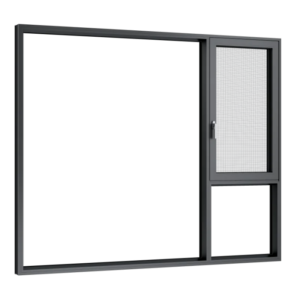
What Is the Difference Between Inward and Outward Opening Casement Windows?
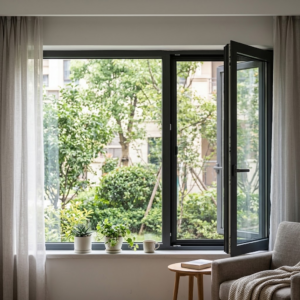
The main difference is where the window sash moves when opened: an inward-opening sash swings into the room, while an outward-opening sash swings toward the exterior. This affects clearance, furniture placement, screen installation, and access for cleaning.
| Feature | Inward opening | Outward opening |
| Opening direction | Into the room | Outside the building |
| Interior clearance | Requires space for the sash | Generally leaves interior space clear |
| Exterior clearance | Usually requires less outward projection | Requires clearance outside |
| Cleaning access | Often allows cleaning from indoors, depending on the design | May require exterior access or a suitable cleaning method |
| Screen placement | Depends on the window and screen system | Depends on the window and screen system |
| Main planning concern | Furniture, curtains, and usable floor space | Balconies, walkways, and exterior obstructions |
How Does Each Opening Direction Work?
An inward-opening window needs sufficient room for its sash to swing without hitting furniture, curtains, or nearby objects. This is particularly important in compact bedrooms, kitchens, and apartments where every part of the floor plan has a purpose.
An outward-opening window moves the sash away from the interior, which can simplify furniture placement near the window. However, the open sash must not interfere with balconies, exterior walkways, neighbouring structures, or other elements outside the building.
What Are the Main Differences in Space, Cleaning, and Screen Placement?
Cleaning access is one of the practical reasons to consider an inward-opening design. Depending on the window configuration, occupants may be able to reach the exterior glass from inside, reducing the need to work outside. The actual cleaning method should still be checked for the installed model.
Screen and curtain arrangements also need attention. Inward-opening sashes can conflict with interior blinds or curtains if the fittings are positioned poorly. Outward-opening designs may need a different screen arrangement, depending on whether the screen sits inside or outside the sash.
Which Opening Direction Is More Suitable for Your Project?
Inward-opening windows are worth considering when convenient interior access and cleaning are priorities, while outward-opening windows may suit projects where keeping the interior clear is more important. The right option depends on the conditions around each opening.
When Should You Choose Inward Opening Casement Windows?
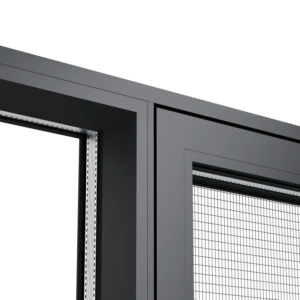
Inward-opening casement windows can be practical for upper-floor rooms where cleaning the exterior glass from inside is desirable.
However, the sash needs enough internal swing clearance to open fully. Before selecting this configuration, check the distance between the window and nearby beds, desks, kitchen fittings, and curtains.
Consider inward opening when:
- Interior access for cleaning is a priority.
- The exterior wall faces a narrow passage or an area with limited clearance.
- The room layout can accommodate the open sash.
- The chosen screen and curtain systems are compatible with the window.
When Are Outward Opening Casement Windows Worth Considering?
Outward-opening windows can help preserve usable interior space because the sash swings away from furniture and room fittings. This can be useful in small rooms or areas where an inward-swinging sash would obstruct normal activities.
The exterior environment must support this movement. Check whether an open sash could project over a balcony, obstruct a walkway, conflict with shutters, or create a hazard near people moving around the building.
Outward opening should not be treated as automatically more weather-resistant or secure. These characteristics depend on the frame, seals, locking hardware, installation quality, and tested performance of the complete window.
What Clearance and Safety Requirements Should You Check?
Check the full opening path on both sides of the wall. A window that fits the structural opening may still be unsuitable if its sash collides with furniture, railings, exterior equipment, or a nearby building element.
For commercial and multi-unit projects, review applicable building codes and project specifications. For example, England’s Building Regulations include provisions addressing collisions with open windows in applicable building contexts, safe operation, and access for cleaning. The requirements and exceptions vary, so the relevant local rules must be checked for each project.
A simple site check should cover:
- Interior: Furniture, curtains, blinds, and circulation routes.
- Exterior: Balconies, walkways, shutters, and neighbouring structures.
- Safety: Opening restrictions, accessible operation, and applicable code requirements.
- Maintenance: Whether the glass and hardware can be reached safely.
What Should You Consider Before Choosing a Casement Window?
Opening direction is only one part of window selection. Window location, exposure to wind and rain, glazing, sealing, and maintenance requirements all influence the performance of the installed unit.
How Do Window Location, Weather Exposure, and Ventilation Needs Affect Your Choice?
Start with the location of each window rather than specifying one opening direction for the entire building. A bedroom facing a narrow balcony may have different clearance requirements from a ground-floor living room facing an open garden.
Weather exposure also deserves attention. Wind direction, driving rain, and the position of the building can affect the loads and moisture exposure experienced by a window. Neither inward nor outward opening guarantees superior weather performance in every situation.
Ventilation depends on the opening area, sash design, room layout, and surrounding airflow. Discuss the intended ventilation requirements with the project designer, and check the manufacturer’s tested performance where applicable.
How Should You Check Sealing, Glazing, and Maintenance Requirements?
Ask for performance information about the complete window system. Frame material, glazing, weatherstripping, hardware, and installation all contribute to the result.
The U.S. Department of Energy explains that casement windows generally have lower air leakage rates than sliding windows because the closed sash presses against the frame. However, leakage varies with seal quality and condition; this does not establish that inward-opening casement windows outperform outward-opening ones.
Before ordering, verify these details:
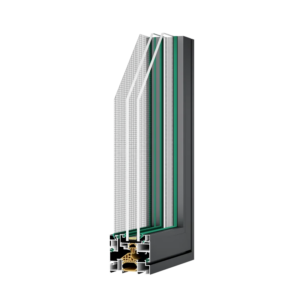
- Glazing: Confirm the glass configuration and whether the project’s thermal, acoustic, or safety requirements call for particular glass options.
- Sealing: Request relevant air-leakage and water-resistance test results when these are project requirements.
- Hardware: Check the locking points, handles, hinges, and any opening restrictors required for the application.
- Maintenance: Confirm cleaning access, hardware servicing needs, and the availability of replacement components.
This approach helps avoid selecting a window based on its opening direction while overlooking the specifications that affect its day-to-day performance.
What Should You Know About ZEKIN’s Casement Windows?
ZEKIN offers an aluminum casement window with inward-opening and inward-tilting functions. Buyers considering this product should assess its published specifications against the building’s dimensions, clearance requirements, and performance criteria.
What Features Does ZEKIN’s Inward-Opening Casement Window Offer?
The aluminum casement window is available with the following specifications:
| Specification | Listed details |
| Sash width | 500–750 mm |
| Sash height | 800–1,400 mm |
| Glass | 5 mm + 27A + 5 mm double clear tempered glass |
| Opening | Inward opening and inward tilt |
| Glazing options | Double or triple glazing |
| Additional options | Mosquito screens, selected glass finishes, blinds, and curtains |
These specifications provide a starting point for evaluating whether the product fits a particular project. Confirm the required finished dimensions, available configurations, hardware, and glass options with ZEKIN before placing an order.
What Should You Confirm With a Casement Window Manufacturer Before Ordering?
A casement window manufacturer should be able to clarify the available configurations and provide documentation relevant to the project. Do not assume that every opening direction, dimension, or glazing combination is available simply because they are technically possible.
When discussing your requirements with ZEKIN, ask about:
- Opening configuration: Confirm whether the required inward-opening or outward-opening design is available for your project.
- Dimensions and hardware: Check the permitted sash sizes, hinge positions, handle locations, and opening restrictions.
- Performance documentation: Request applicable test reports or certifications for thermal performance, air leakage, water resistance, and wind resistance where required.
- Customization and installation: Confirm glass options, screen compatibility, installation details, and maintenance requirements.
You can also review ZEKIN‘s aluminum window and door product range to identify products relevant to your project. The specified model supports inward opening and inward tilting. Confirm whether an outward-opening configuration is available before including it in the project specification.
How Can You Choose the Right Opening Direction?
The right casement window is the one that fits the building layout, exterior conditions, maintenance plan, and required performance specifications. The final choice should reflect the available clearance, safe operation, maintenance access, and documented performance of the selected model.
Before making a final decision, compare the two configurations against the actual installation conditions. Then confirm dimensions, glazing, hardware, and performance requirements with the manufacturer. For the inward-opening model, verify that its specifications match your project requirements and confirm the availability of any alternative opening configurations before ordering.