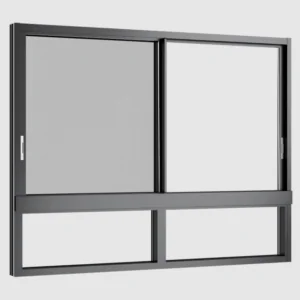
Aluminium Windows and Doors vs. Other Materials: Which Is Better for Modern Homes?
Choosing between aluminium, uPVC, wood, and fiberglass windows and doors is not simply a matter of picking the “best” material. The right choice depends on the project’s climate, thermal requirements, maintenance expectations, architectural style, opening size, and budget.
For modern homes, aluminium windows and doors can be a practical choice when strength, slim profiles, durability, and design flexibility matter. However, aluminium is not automatically the best option for every building. Its thermal performance depends heavily on the frame design, thermal breaks, glazing, and overall window system.
How Do Aluminium Windows and Doors Compare With Other Materials?
Aluminium stands out for its structural properties and design flexibility, while uPVC, wood, and fiberglass can offer different advantages in insulation, appearance, or maintenance.
| Material | Key Strength | Main Consideration | Suitable Applications |
| Aluminium | Strength, durability, design flexibility | Requires thermal-break design for improved insulation | Modern homes, large openings, commercial projects |
| uPVC | Thermal insulation, low maintenance | Profile and design limitations may matter | Residential windows and doors |
| Wood | Natural appearance, insulation | Requires more maintenance against moisture and deterioration | Traditional and high-end residential projects |
| Fiberglass | Strength, insulation, low maintenance | Product availability and design options vary | Energy-conscious residential projects |
Is Aluminium More Durable Than uPVC, Wood, and Fiberglass?
Aluminium offers a strong and durable frame material with relatively low maintenance requirements, making it suitable for projects where long-term use and structural performance matter.
The National Fenestration Rating Council (NFRC) notes that aluminium frames are light, strong, durable, and can be extruded into complex shapes. ENERGY STAR also identifies aluminium as durable, low maintenance, and recyclable.
Wood has its own advantages, particularly its appearance and insulating characteristics, but it requires appropriate maintenance because moisture exposure can contribute to deterioration. Fiberglass and vinyl also provide good insulation and low maintenance, making them competitive alternatives for residential applications.
Which Window Frame Material Offers Better Thermal Performance?
No frame material can be judged independently from the complete window system because the frame, glazing, spacers, and installation all influence thermal performance.
Aluminium has relatively high thermal conductivity compared with materials such as uPVC, wood, and fiberglass. For this reason, a conventional aluminium frame can increase heat transfer through the window. A thermal break separates interior and exterior aluminium components with a less conductive material, reducing the direct path for heat flow.
ENERGY STAR specifically notes that aluminium frames in certified products typically incorporate thermal breaks to reduce conductive heat loss.
Therefore, buyers should compare the whole-window U-factor, rather than assuming that one frame material automatically provides superior energy efficiency.
Why Can Aluminium Windows and Doors Work Well in Modern Homes?
Aluminium works particularly well when a project needs durable frames, flexible configurations, and designs capable of accommodating contemporary glazing and large openings.
| Project Requirement | Why Aluminium Can Be Relevant |
| Large glazed areas | Strong frame material can support demanding configurations |
| Contemporary appearance | Aluminium can be extruded into varied profiles |
| Low-maintenance exterior | Durable finished surfaces reduce routine maintenance needs |
| Custom designs | Profiles can support different window and door configurations |
| Residential and commercial use | Available in multiple window and door formats |
Why Does Aluminium Work Well for Large Glass Areas and Openings?
Aluminium’s combination of strength and relatively light weight makes it useful where designers want substantial glazed areas without relying on excessively bulky frame sections.
This matters for modern homes that use large windows, sliding doors, folding systems, or open-plan connections between indoor and outdoor spaces. However, the frame alone does not determine whether a large opening will perform well. Structural requirements, glazing specifications, hardware, weather resistance, and installation must also be evaluated.
For energy performance, the U.S. Department of Energy recommends considering U-factor, solar heat gain coefficient (SHGC), air leakage, condensation resistance, and other factors rather than selecting a product solely by frame material.
How Does Aluminium Support Modern Architectural Design?
Aluminium supports modern architectural design because it can be extruded into complex profiles and used across multiple window and door configurations.
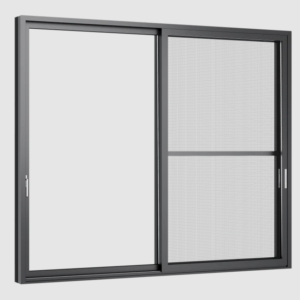
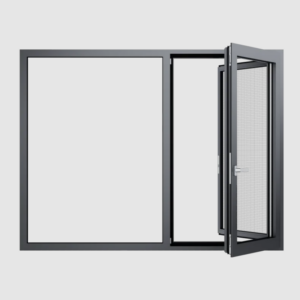
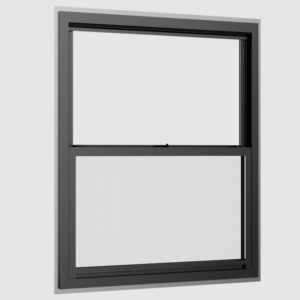
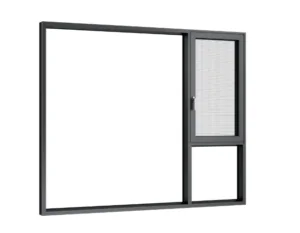
For example, ZEKIN’s product range includes casement, sliding, skylight, tilt-and-turn, awning, fixed, and folding windows, as well as sliding, folding, and casement aluminium doors.
This variety allows architects, builders, and homeowners to select different opening styles according to ventilation, access, daylight, and spatial requirements instead of using one configuration throughout an entire project.
How Should You Choose Between Aluminium, uPVC, Wood, and Fiberglass?
The best material should be selected by matching the frame characteristics with the building’s actual requirements rather than comparing material names alone.
| Selection Factor | What to Check |
| Climate | U-factor and SHGC requirements |
| Glazing | Pane configuration, low-E coating, and glass performance |
| Frame | Thermal-break design and structural requirements |
| Maintenance | Exposure to moisture, weather, and routine upkeep |
| Design | Opening type, frame appearance, and available configurations |
| Installation | Air leakage, water management, and installation quality |
| Project type | Residential, villa, hotel, commercial, or development project |
Which Material Fits Different Residential and Commercial Projects?
Aluminium is particularly relevant for projects prioritizing durable frames, contemporary aesthetics, and larger openings, while vinyl, fiberglass, or wood may be preferable when specific insulation, appearance, or maintenance priorities dominate.
For example, a modern villa with large sliding doors may place greater emphasis on structural capability and visual continuity between interior and exterior spaces. A traditional residence may place greater value on the appearance of wood.
For developers and contractors, the decision also involves consistency across multiple openings, available configurations, supplier capability, lead times, and technical documentation.
What Should You Compare Besides the Frame Material?
When comparing products, check the applicable U-factor, SHGC, air leakage, and other performance ratings for the complete assembly.
ENERGY STAR states that certified windows, doors, and skylights are evaluated according to climate-specific performance requirements, including U-factor and, where applicable, SHGC.
The U.S. Department of Energy also explains that lower U-factor means lower heat flow through the fenestration product, while SHGC indicates how much solar heat is transmitted through the product.
As a result, a buyer should request product-specific performance information and compare complete assemblies before making a final decision.
Why Does Choosing the Right Door and Window Manufacturer Matter?
The manufacturer matters because material selection is only the starting point; production processes, system design, customization, and quality control affect how the finished product meets project requirements.
What Should Buyers Check Before Choosing a Manufacturer?
Buyers should evaluate the manufacturer’s material specifications, available systems, customization capability, production processes, and documentation before placing an order.
For distributors, builders, and developers, the following checklist is practical:
- Confirm the specified aluminium alloy or profile system.
- Check whether thermal-break technology is included where required.
- Request applicable U-factor and SHGC information.
- Review available glazing and hardware configurations.
- Confirm whether the manufacturer supports custom dimensions and finishes.
- Check production and quality-control capabilities.
- Clarify packaging, delivery, installation responsibilities, and after-sales support.
ENERGY STAR evaluates certified fenestration products against climate-specific performance requirements, with performance independently tested and certified under NFRC procedures.
How Can ZEKIN’s Aluminium Windows and Doors Fit Modern Projects?
ZEKIN is a door and window manufacturer providing wholesale window and door solutions for homes and commercial projects.
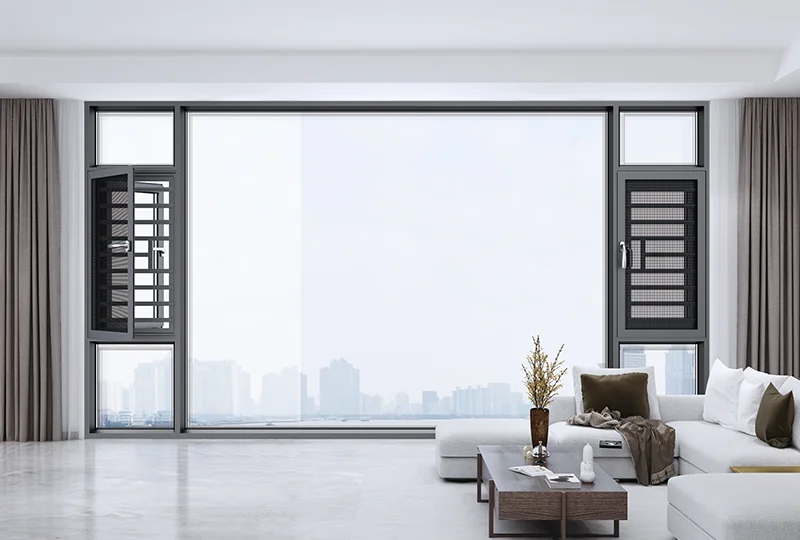
ZEKIN uses 6063-T5 aluminium profiles and powder coatings, and states that its production processes include aluminium extrusion, surface coating, glass tempering, and precision assembly. The company also states that its aluminium window systems use double thermal-break technology.
For buyers evaluating ZEKIN, the relevant point is not simply that the products are aluminium. The manufacturer provides multiple aluminium window and door configurations, including aluminium windows, aluminium doors, and casement windows. These configurations give buyers options for matching opening types to different project requirements.
These capabilities may be particularly relevant for distributors, builders, developers, hotels, and residential projects that need customized window and door configurations rather than standardized off-the-shelf products.
Which Material Is the Better Choice for Modern Homes?
Aluminium is a strong candidate for modern homes when durability, low maintenance, structural capability, and contemporary design are priorities, but it should be specified as part of a complete high-performance window or door system.
Is Aluminium the Best Choice for Every Modern Home?
The better choice depends on the building’s climate, design, glazing requirements, maintenance expectations, and project budget.
ENERGY STAR explicitly offers certified products using different framing materials, including aluminium, fiberglass, vinyl, wood, and composite frames. Its guidance therefore supports a performance-based selection process rather than treating one material as universally superior.
For aluminium projects, thermal-break design is especially important because aluminium has relatively high thermal conductivity. The final specification should therefore consider the frame, glazing, U-factor, SHGC, air leakage, installation, and climate together.
What Should You Prioritize Before Making the Final Decision?
Start with the project’s actual requirements, then compare complete product systems and manufacturers against those requirements.
For homeowners, appearance, comfort, maintenance, and energy performance may lead the decision. For contractors and developers, structural requirements, product consistency, customization, technical documentation, supply capability, and commercial responsibilities may carry greater weight.
The practical answer is therefore not that aluminium is universally “better.” Aluminium windows and doors can be the right choice when their structural and design advantages align with the project’s requirements and when the complete system is properly specified and manufactured.