2026 Window and Door Trends: What Homeowners Are Choosing for Modern Homes
Homeowners in 2026 are looking beyond window and door appearance: they are choosing larger openings, more purposeful natural light, climate-appropriate performance, and customised designs that fit how a home is used. Current industry trend research from Pella and NAHB points to a stronger connection between design, comfort, resilience, and long-term value, while ENERGY STAR recommends selecting performance characteristics according to local climate.
What Are the Biggest Window and Door Trends for Modern Homes in 2026?
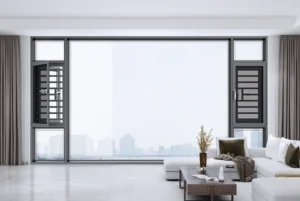
One notable 2026 trend is the growing focus on windows and doors that contribute to the experience of the room rather than simply filling an opening. Large glazing, outdoor views, natural light, and carefully selected configurations are becoming central to modern residential design.
Why Are Larger Windows and More Natural Light Becoming More Popular?
Larger windows are gaining attention because they can increase daylight and strengthen the visual connection between indoor and outdoor spaces. NAHB’s 2026 design trends report identifies windows that fill more of the available space, including floor-to-ceiling and custom configurations, as a notable direction in contemporary home design.
For homeowners, the practical question is not simply whether a larger window looks impressive. The opening still needs to suit the room, orientation, ventilation, privacy, and structural design.
How Are Homeowners Combining Open Views With Practical Comfort?
A notable 2026 approach is to combine visual openness with performance. Pella’s 2026 research highlights natural light, outdoor views, resilience, and everyday comfort.
This means homeowners may compare glass area, opening style, frame design, shading, and energy performance together. The right combination depends on the room: a living area facing a garden may benefit from a large opening, while a bedroom may place greater emphasis on ventilation, privacy, and solar control.
Why Are Energy Performance and Climate Adaptation Becoming Priorities?
Energy performance is becoming a design requirement because windows and doors affect heat transfer and solar heat gain, so the correct specification depends partly on the home’s climate and orientation. ENERGY STAR advises buyers to consider climate zone and performance ratings rather than choosing products from appearance alone.
How Should Homeowners Evaluate Window Energy Performance?
Homeowners should start with measurable performance information, particularly U-factor and Solar Heat Gain Coefficient (SHGC) for products where these ratings apply. ENERGY STAR explains that U-factor measures heat transfer through a window, while SHGC indicates how much solar heat enters through the product.
Lower U-factor generally indicates stronger insulating performance, while a lower SHGC can be useful in hot, sunny conditions where limiting solar heat gain is important. These values should not be treated as universal targets, because the appropriate balance varies by climate.
A cooling-dominated climate may require stronger solar control, while a colder climate may place greater emphasis on limiting heat loss.
Why Does Climate Matter When Choosing Windows and Doors?
Climate matters because the same window specification can produce different practical priorities in different locations. ENERGY STAR’s guidance specifically directs buyers to select products suited to their climate zone and notes that window orientation also affects solar heat gain.
A useful selection sequence is to identify climate, review orientation, define ventilation and daylight goals, then compare configurations.
How Are Customisation and Functional Design Shaping 2026 Choices?
Customisation is becoming more purposeful in 2026 because homeowners increasingly want window and door layouts that support specific rooms, routines, views, and architectural styles. Pella’s 2026 research describes a shift toward intentional customisation rather than adding personalisation without a clear purpose.
Why Are Homeowners Choosing Project-Specific Configurations?
Project-specific configurations solve practical differences between rooms. A kitchen may need ventilation, a living room a wide garden view, and a bedroom controlled ventilation with privacy.
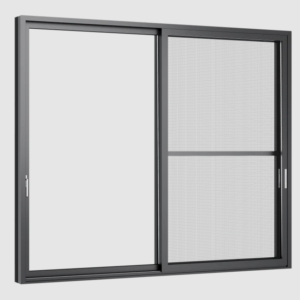
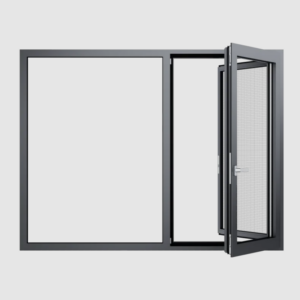
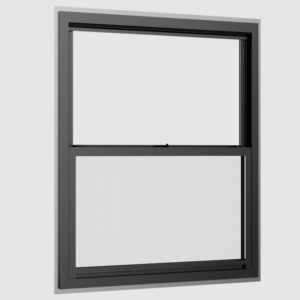
Opening type therefore matters: casement, sliding, folding, fixed, awning, and tilt-and-turn windows balance ventilation, views, and space differently.
Which Window and Door Styles Fit Different Modern Home Spaces?
There is no single style that works for every modern home. Fixed windows suit areas where uninterrupted views are the priority, sliding windows can work where an outward opening is impractical, and folding systems can create wider connections between adjacent spaces.
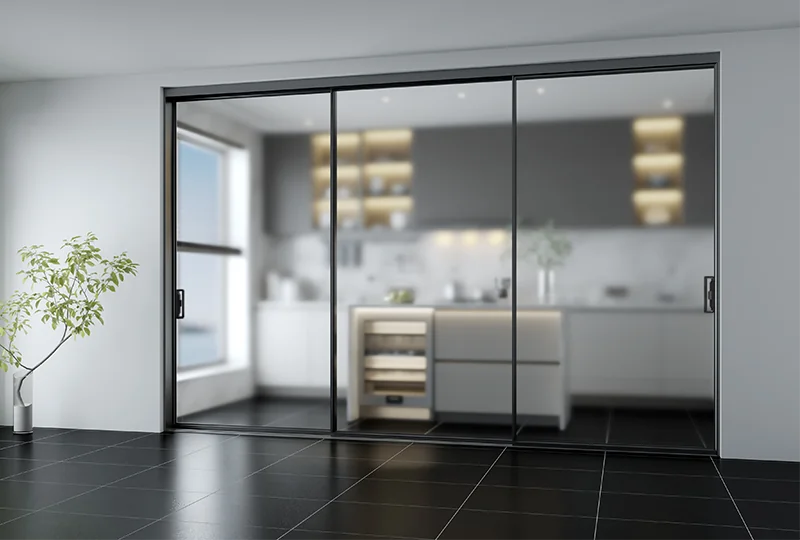
Sliding doors can support broad openings while preserving floor area, while folding or casement doors can suit wider opening configurations. The most suitable choice is the one that matches the room’s function and the project’s technical requirements.
How Does ZEKIN Address These 2026 Window and Door Trends?
ZEKIN approaches modern window and door projects through aluminium window and doors, multiple configurations, and customised solutions for residential and commercial applications. Its official website describes ZEKIN as a China-based door and window manufacturer offering aluminium windows, aluminium doors, and front entry doors.
What Aluminium Window and Door Options Does ZEKIN Provide?
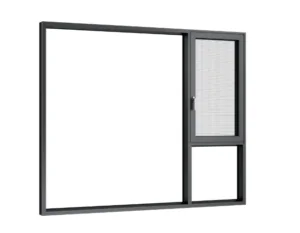
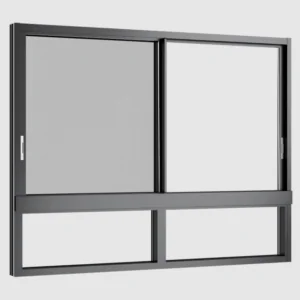
ZEKIN’s product range includes casement, sliding, skylight, tilt-and-turn, awning, fixed, folding, and single/double-hung aluminium windows. Its door range includes sliding, folding, casement, pivot, and entry doors.
The company states that its aluminium windows use thermal-break systems and that its processes include aluminium extrusion, surface coating, glass tempering, and precision assembly. ZEKIN also states that its products use 6063-T5 aluminium profiles, powder coatings, German hardware, and double thermal-break technology. These are manufacturer claims and should be evaluated against the specifications required for each project.
For distributors, builders, and developers, this range can help when a project requires multiple opening styles from one supplier. ZEKIN also states that it provides customised wholesale window and door solutions in different styles and finishes.
How Can ZEKIN’s Products Support Different Project Requirements?
The range allows selection to start with the building requirement rather than a single standard window. A project prioritising wide views can investigate sliding or fixed configurations; a project focused on ventilation can consider casement, awning, or tilt-and-turn options.
ZEKIN also highlights in-house production processes and a 155,000-square-metre factory on its website. For B2B buyers, manufacturing capability is worth evaluating alongside product design, documentation, quality controls, lead times, and project support rather than treating factory size alone as a buying decision.
How Should Homeowners Choose Windows and Doors for a Modern Home?
Homeowners should choose windows and doors by balancing design goals, room function, climate, performance requirements, and manufacturer capability. A simple checklist can prevent an attractive design choice from creating performance or installation problems later.
- Define the main purpose of each opening: daylight, ventilation, views, access, privacy, or a combination.
- Check the home’s climate zone and consider U-factor and SHGC where relevant.
- Review window orientation and potential solar exposure.
- Match the opening type to available wall and floor space.
- Confirm glass, frame, hardware, finish, and security requirements.
- Ask the supplier for project-specific technical information rather than relying on general marketing claims.
- For larger projects, review manufacturing, quality-control, packaging, installation support, and after-sales responsibilities.
For U.S. projects, ENERGY STAR provides climate-zone and product-selection guidance, while local building requirements should also be checked before final specification.
What Will Matter Most When Choosing Windows and Doors in 2026?
The strongest 2026 choices will balance visual openness with measurable performance and practical use. Trends may influence the look of a home, but climate, orientation, room function, product specifications, and installation quality determine whether the chosen system works as intended.
Large glazing, natural light, flexible configurations, and intentional customisation are shaping modern residential design, while energy performance and climate adaptation are making technical evaluation increasingly important. For homeowners, builders, agents, and developers, the goal is therefore not to follow every trend but to select window and door systems that remain useful after the trend changes.
A capable door and window manufacturer should be able to translate those requirements into suitable product configurations and provide enough technical information for the buyer to make an informed comparison. ZEKIN’s aluminium window and door range provides multiple configurations and customised options that can be considered for modern residential and commercial projects, subject to the specific requirements of each application.